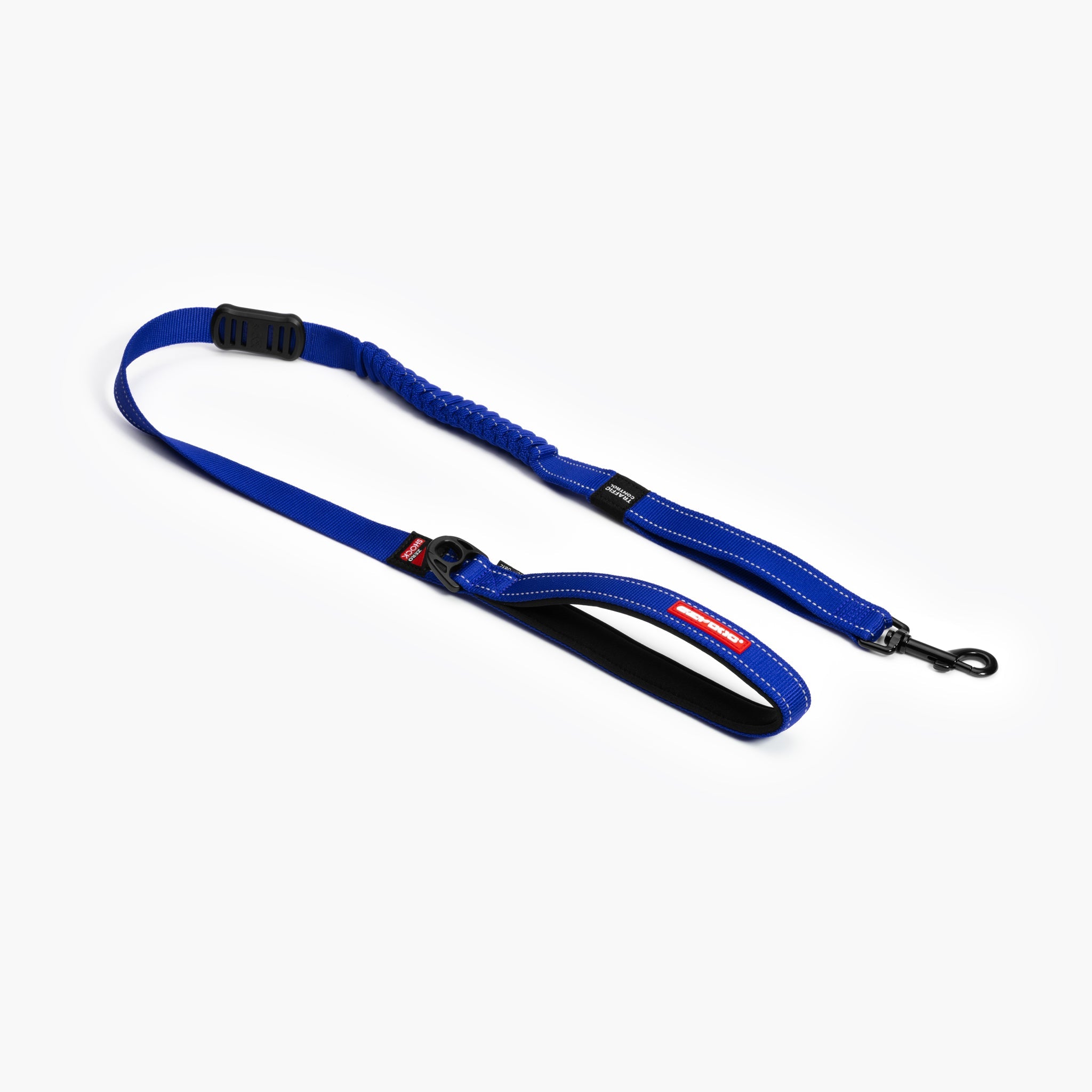
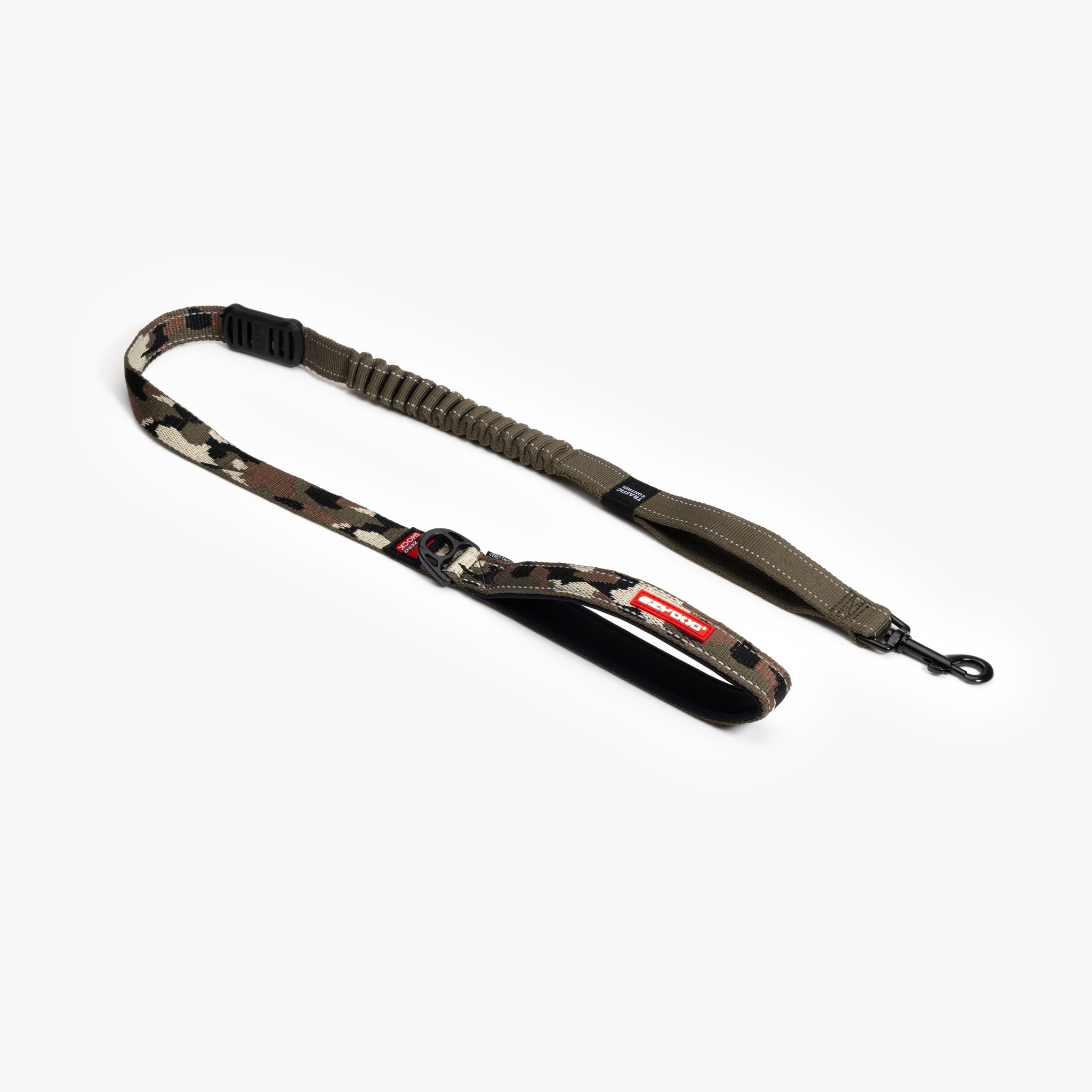
Zero Shock Lead
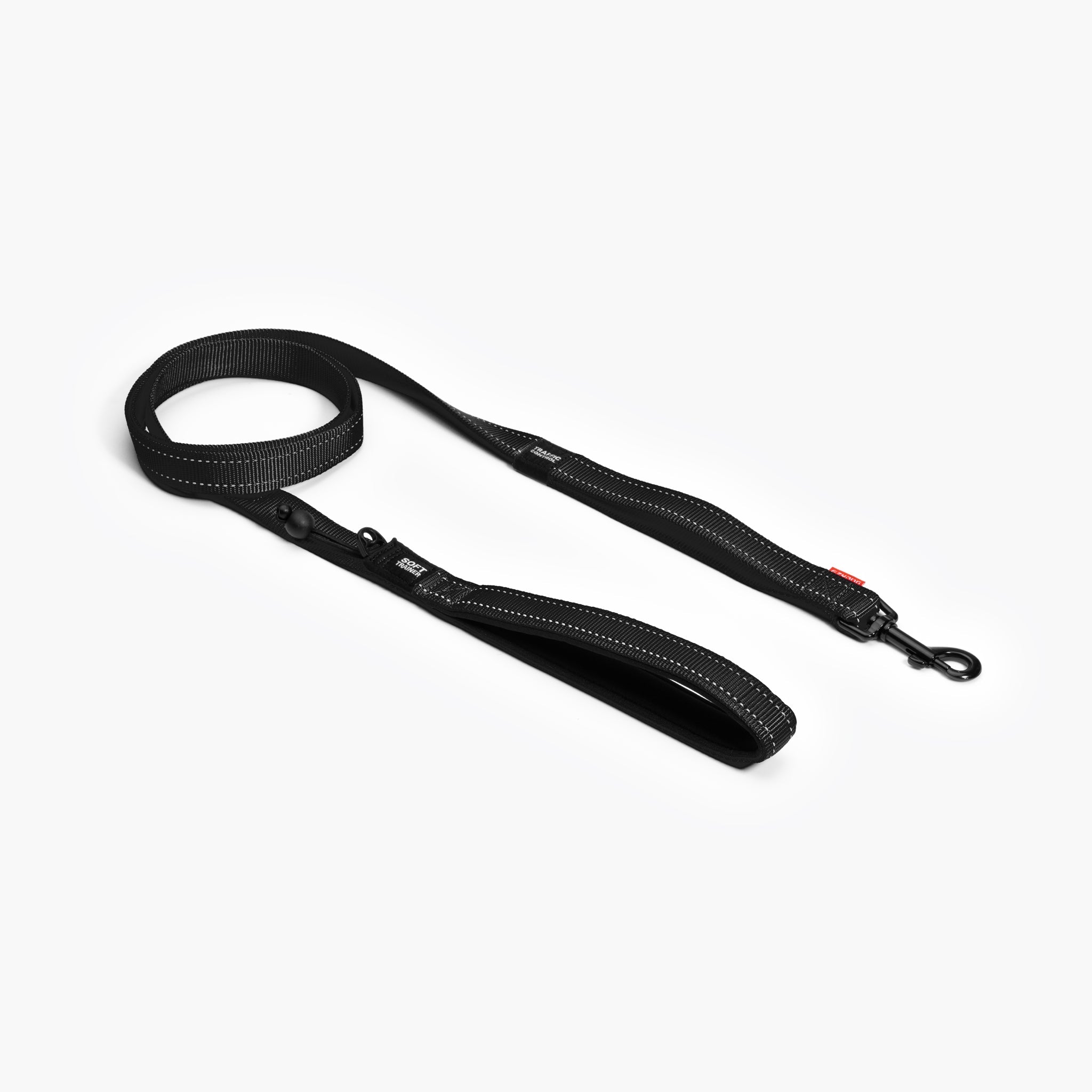
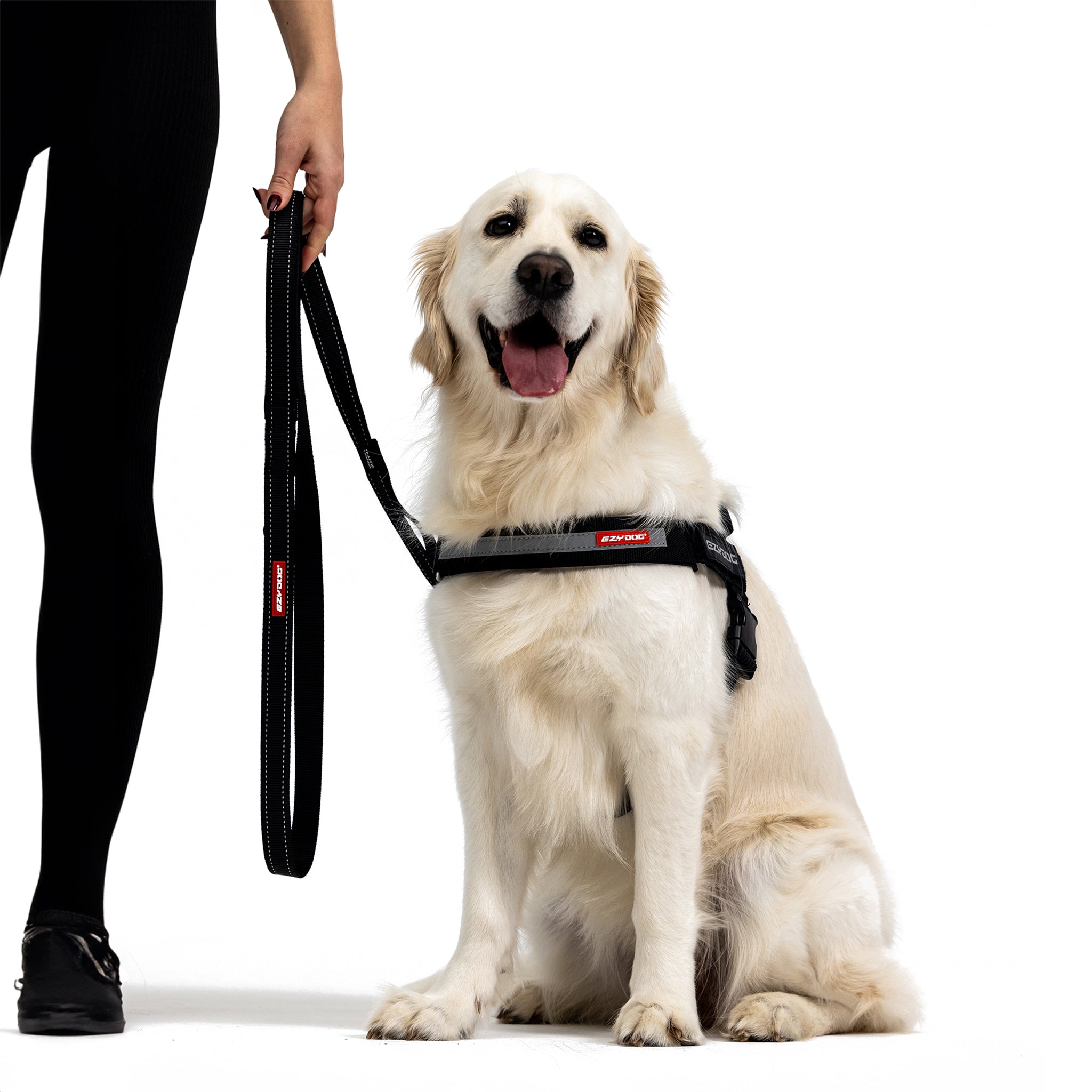
Soft Trainer Dog Lead

Vario 6 Multi-Function Lead


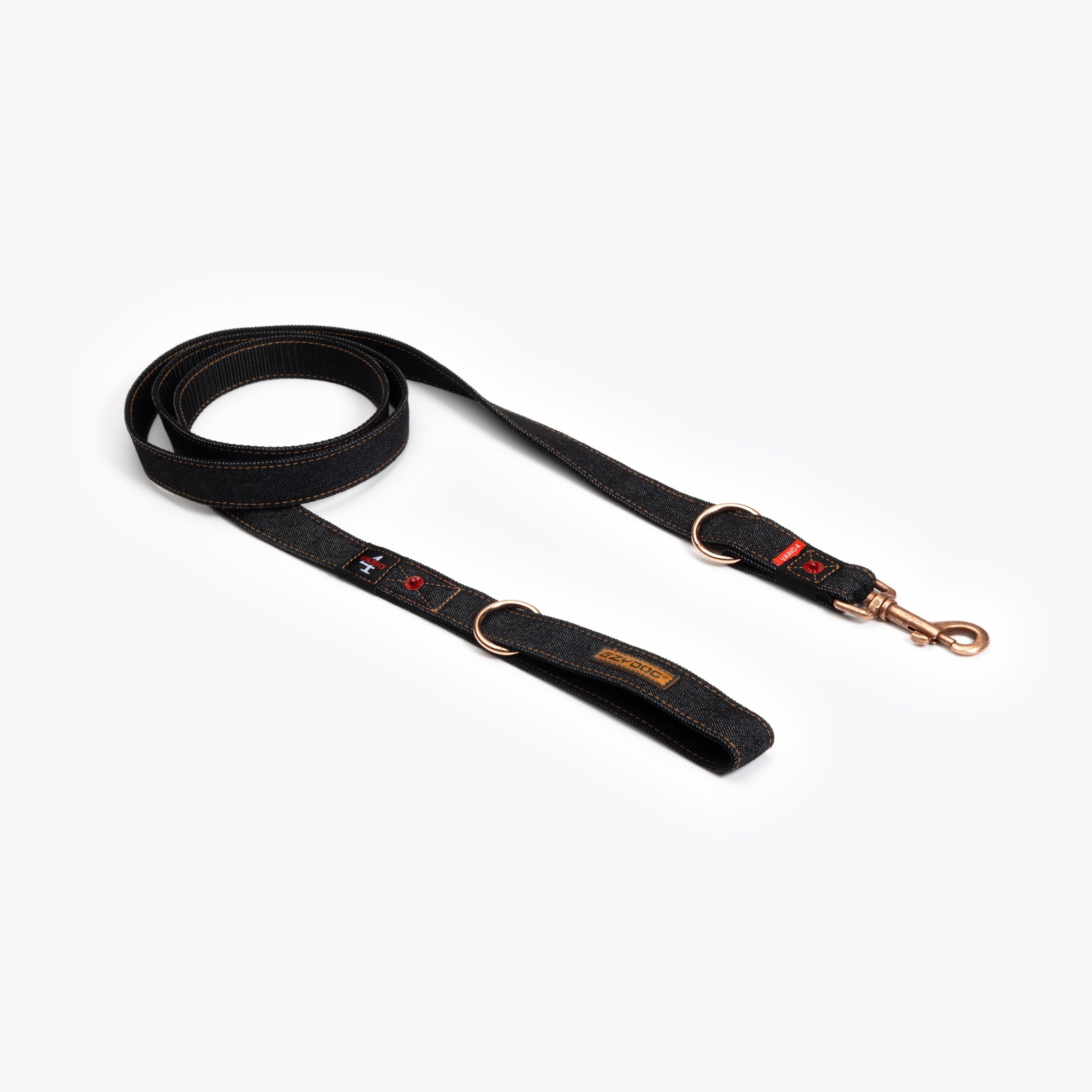
Vario 4 Multi-Function Lead


Road Runner Lead
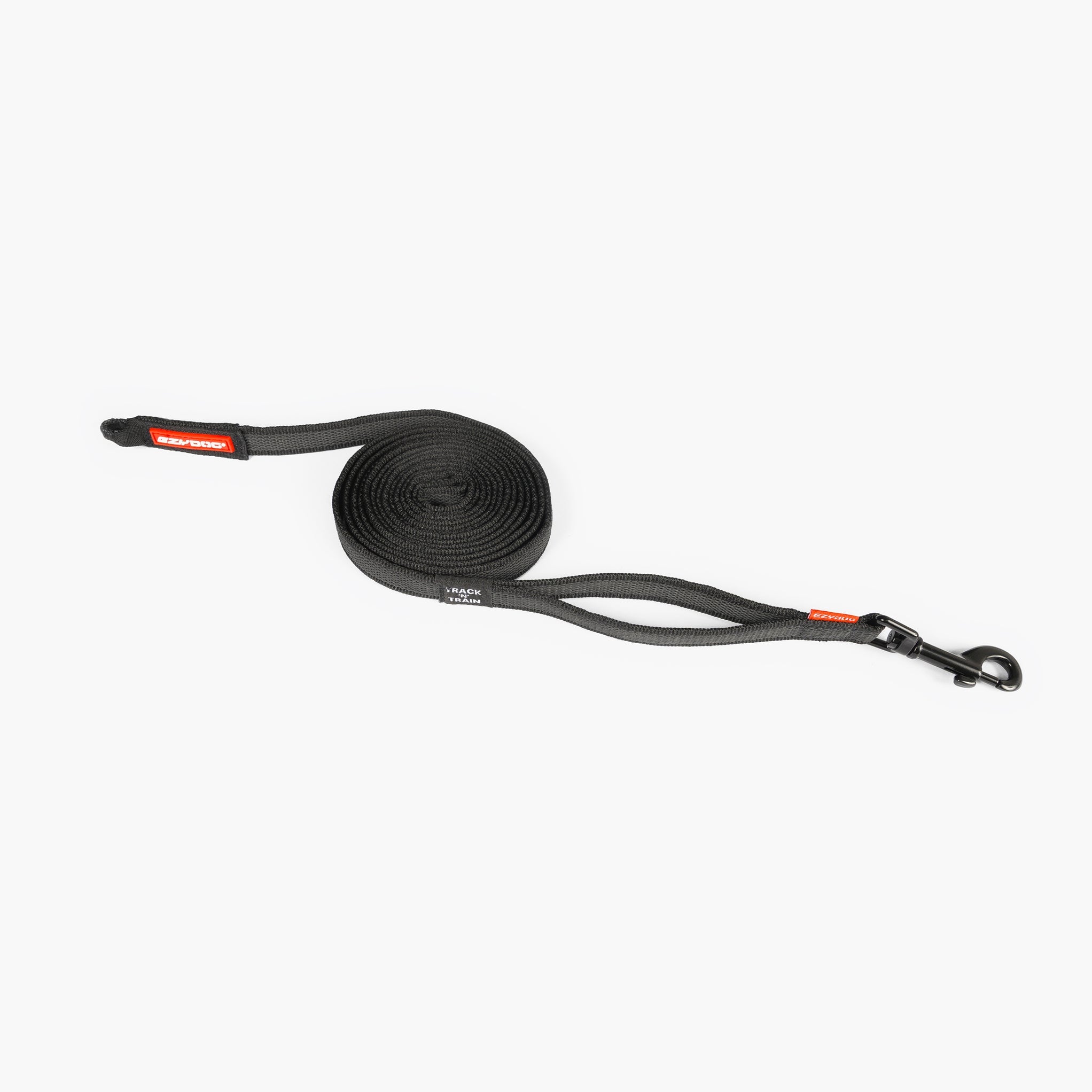
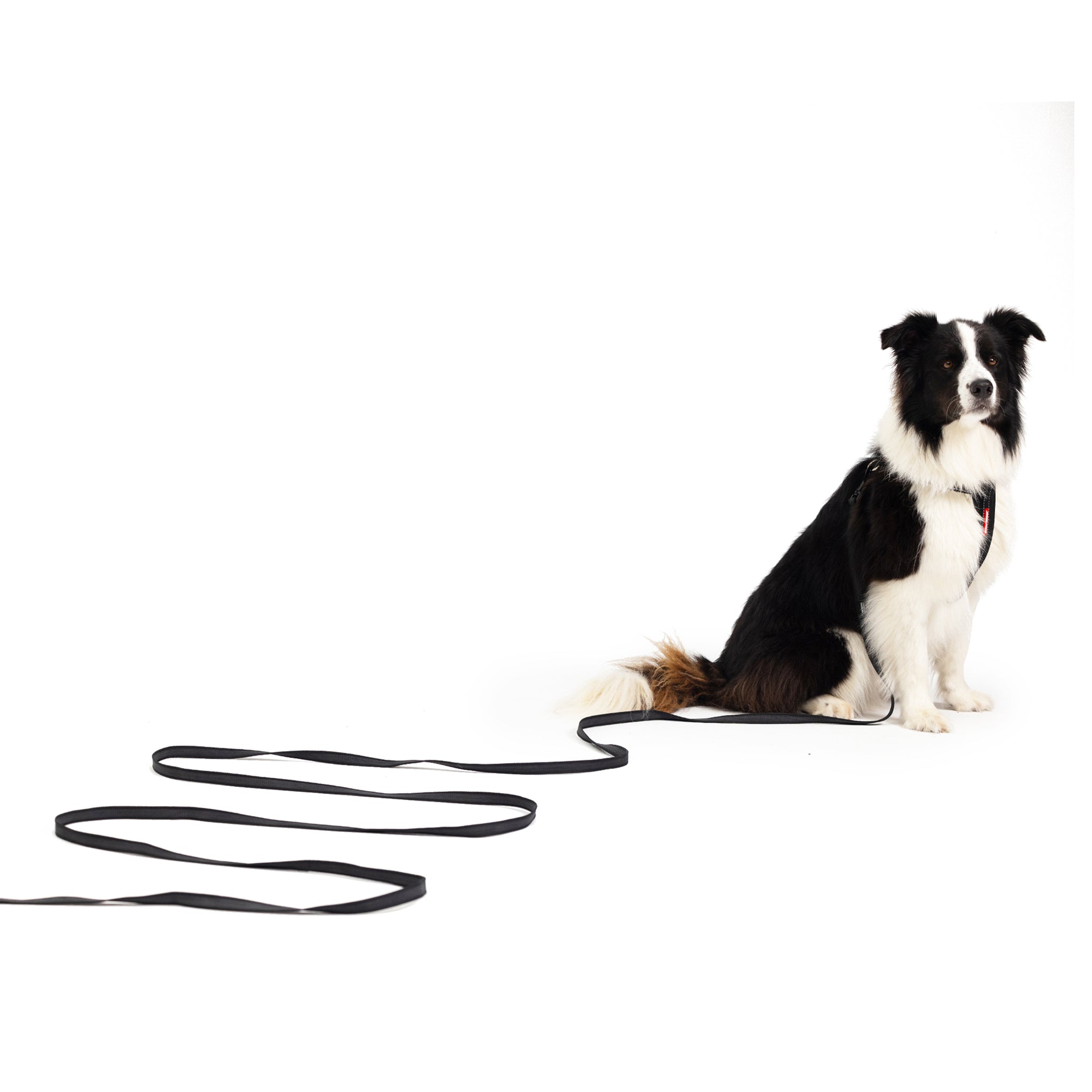
Track n' Train 3 Meter Recall Leash
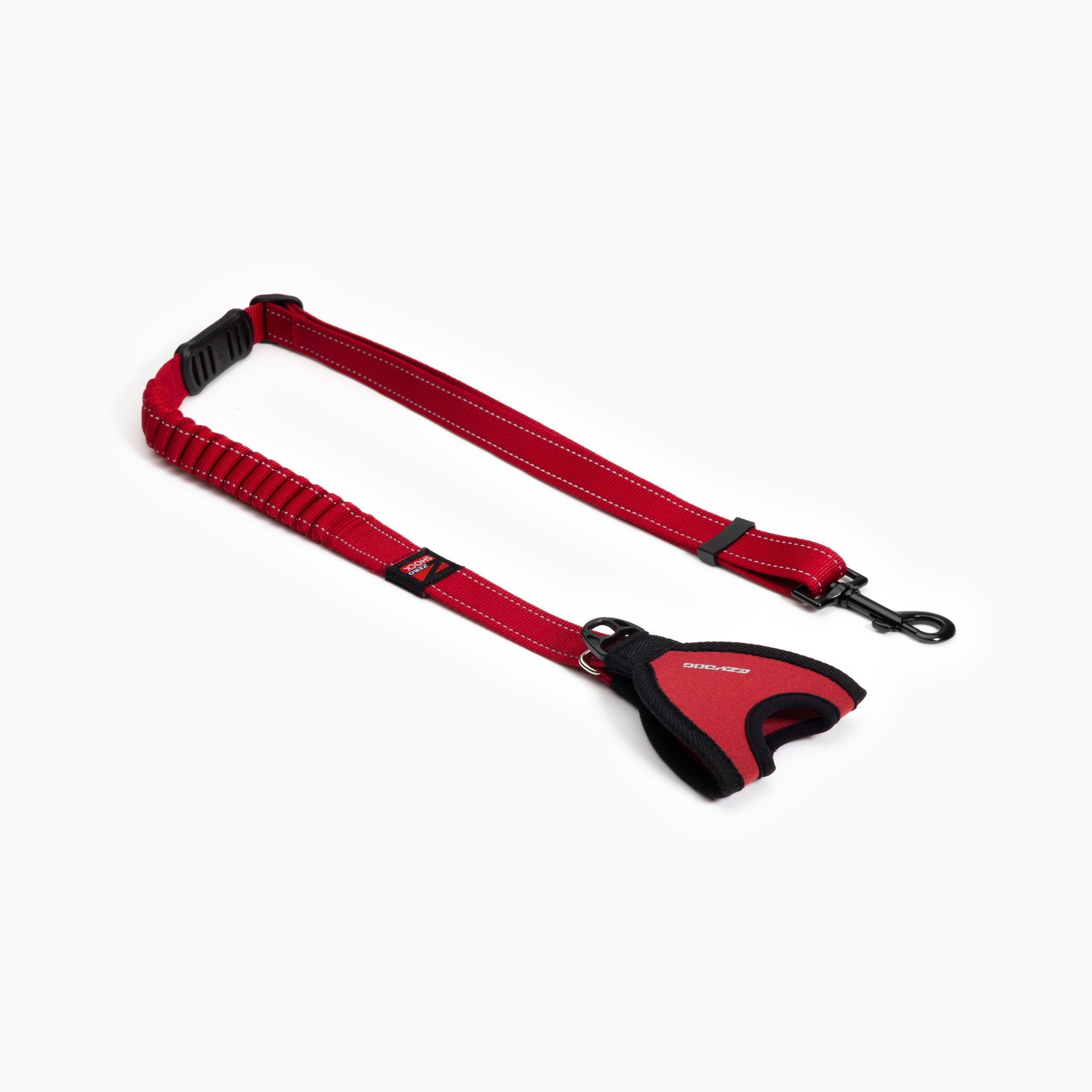
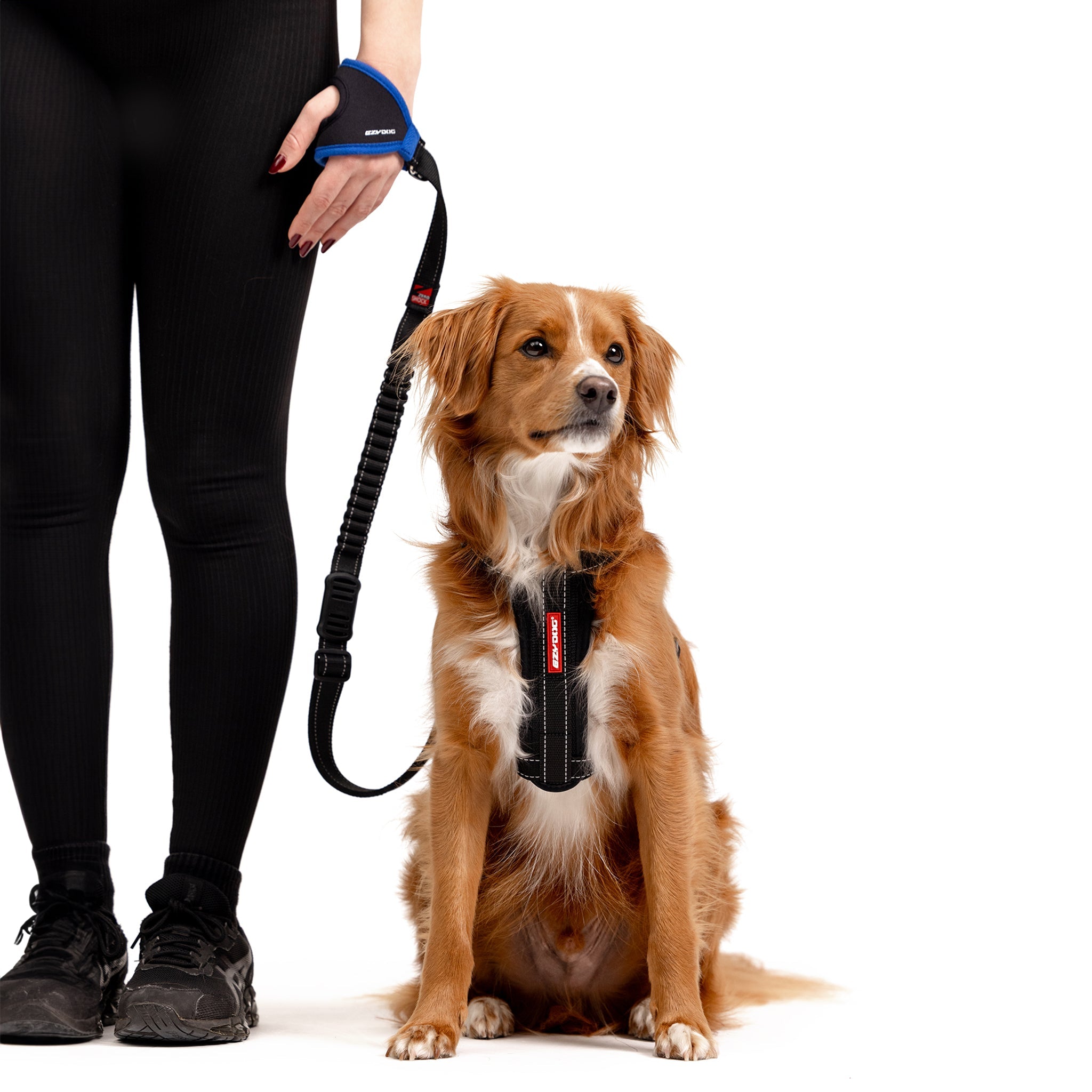
Handy Leash
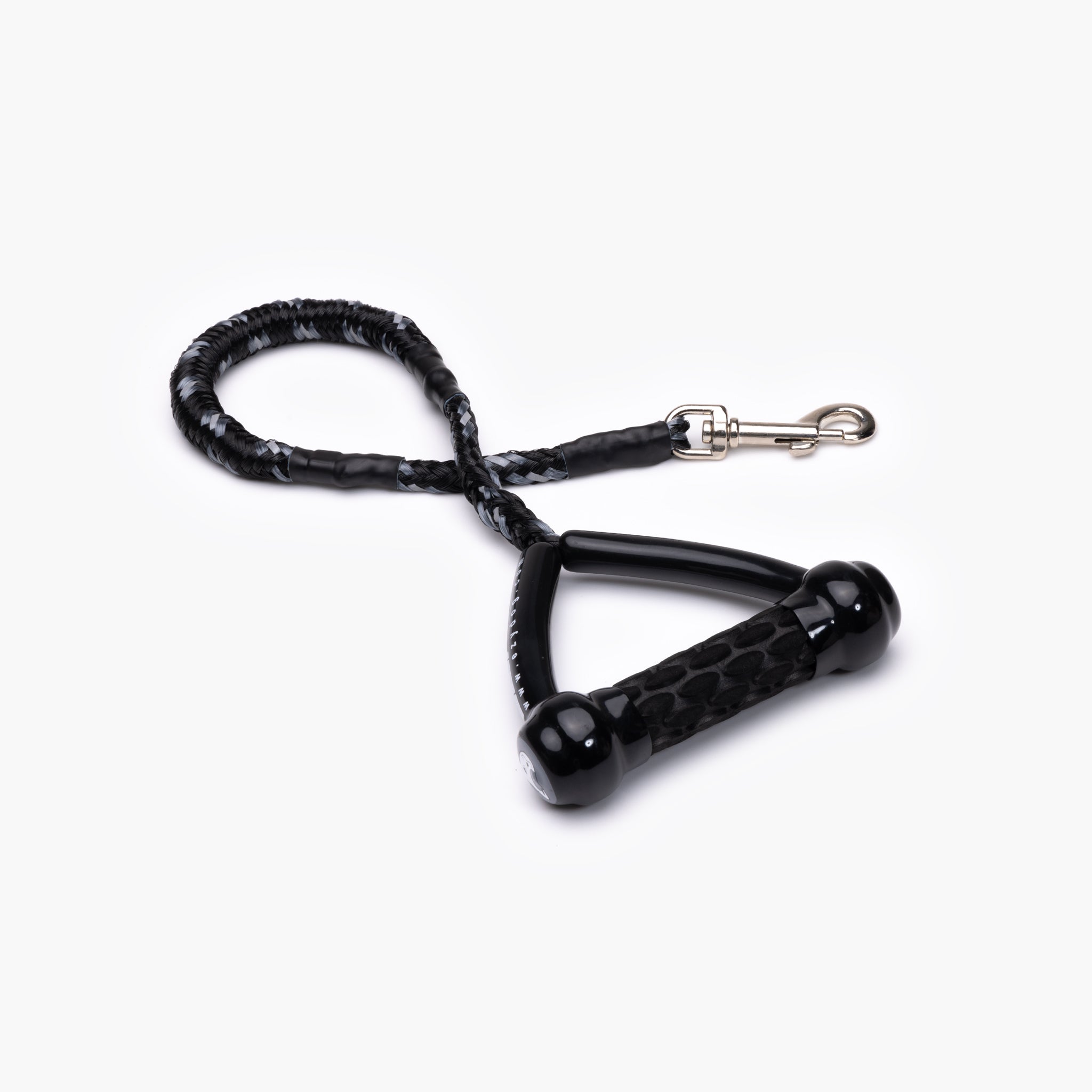
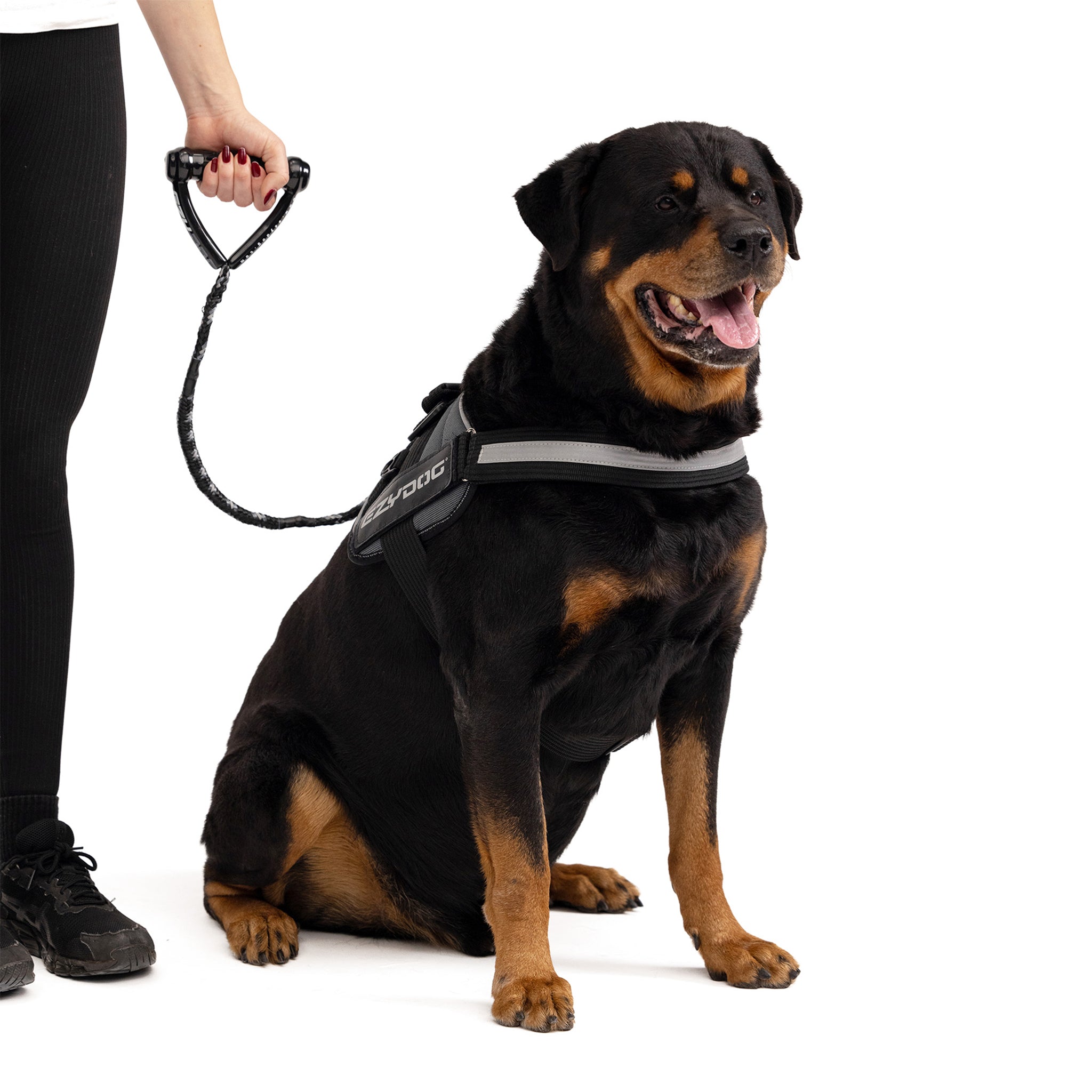
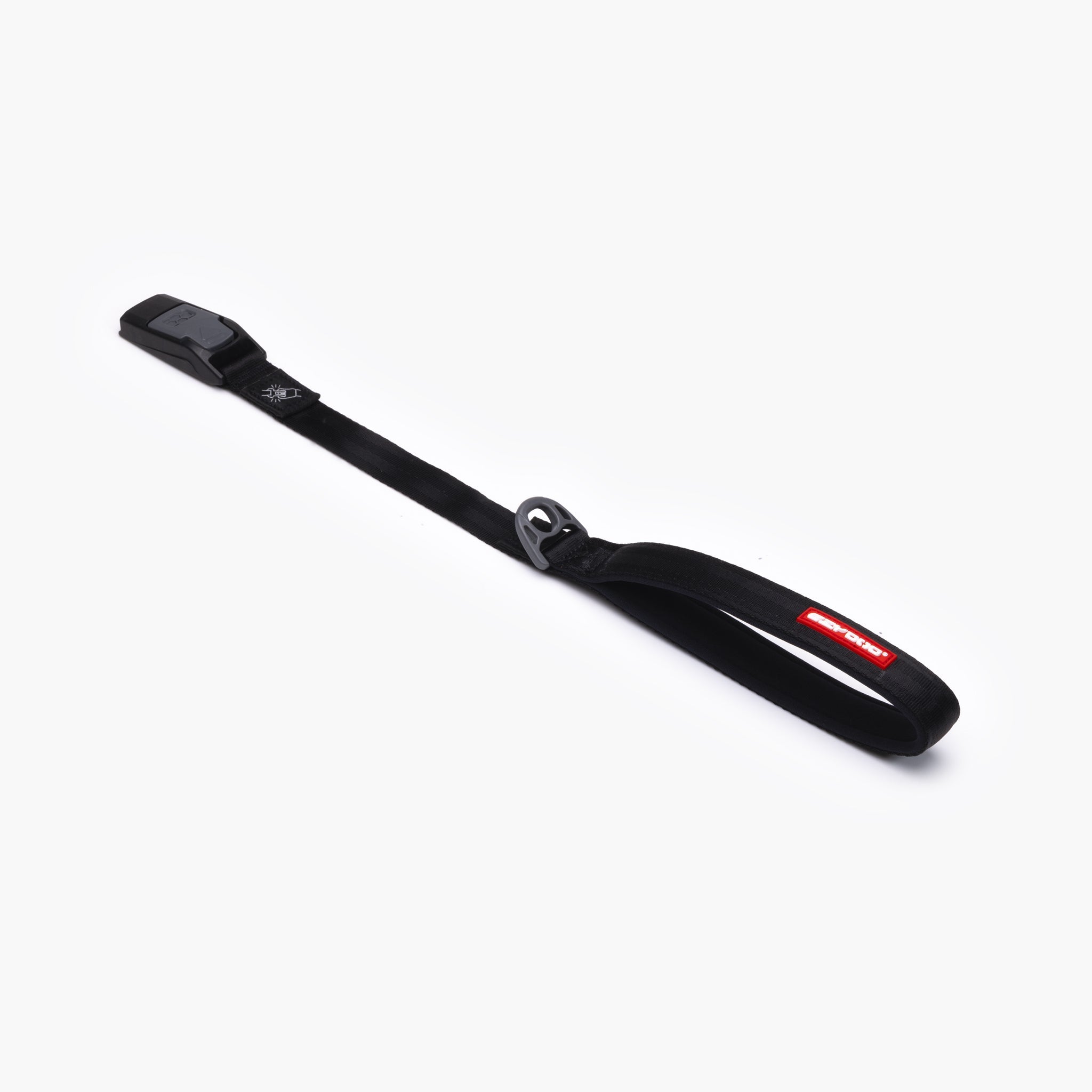
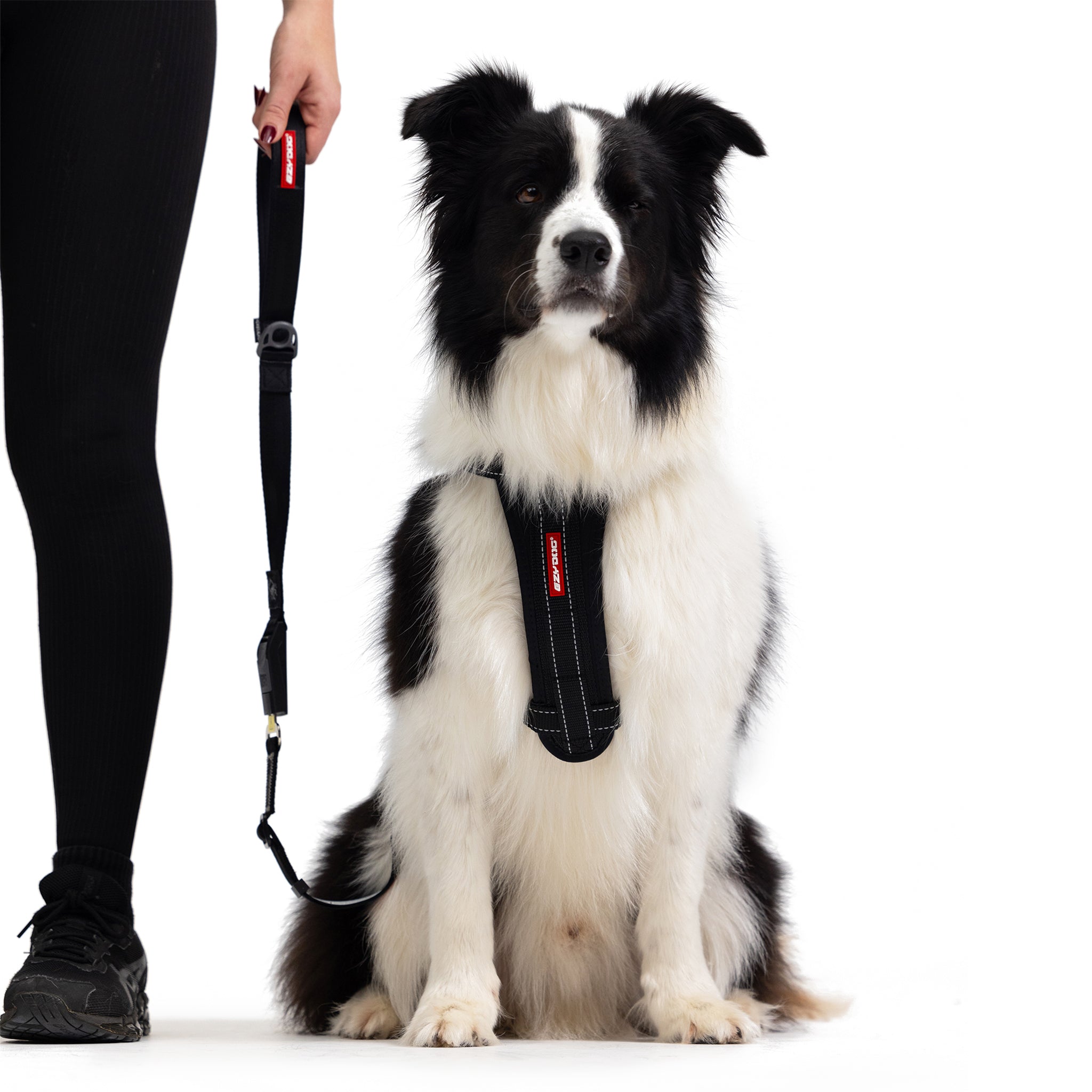
Drive Click Lead
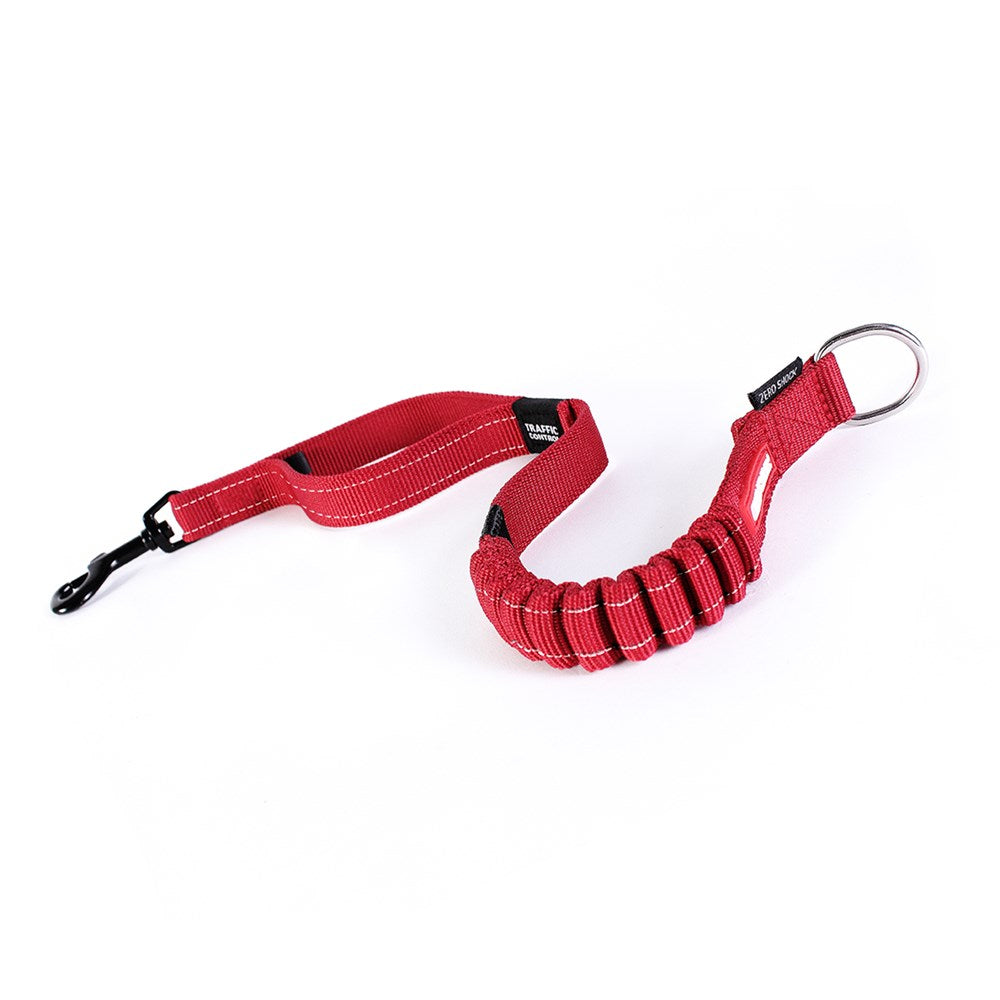
Zero Shock Extension
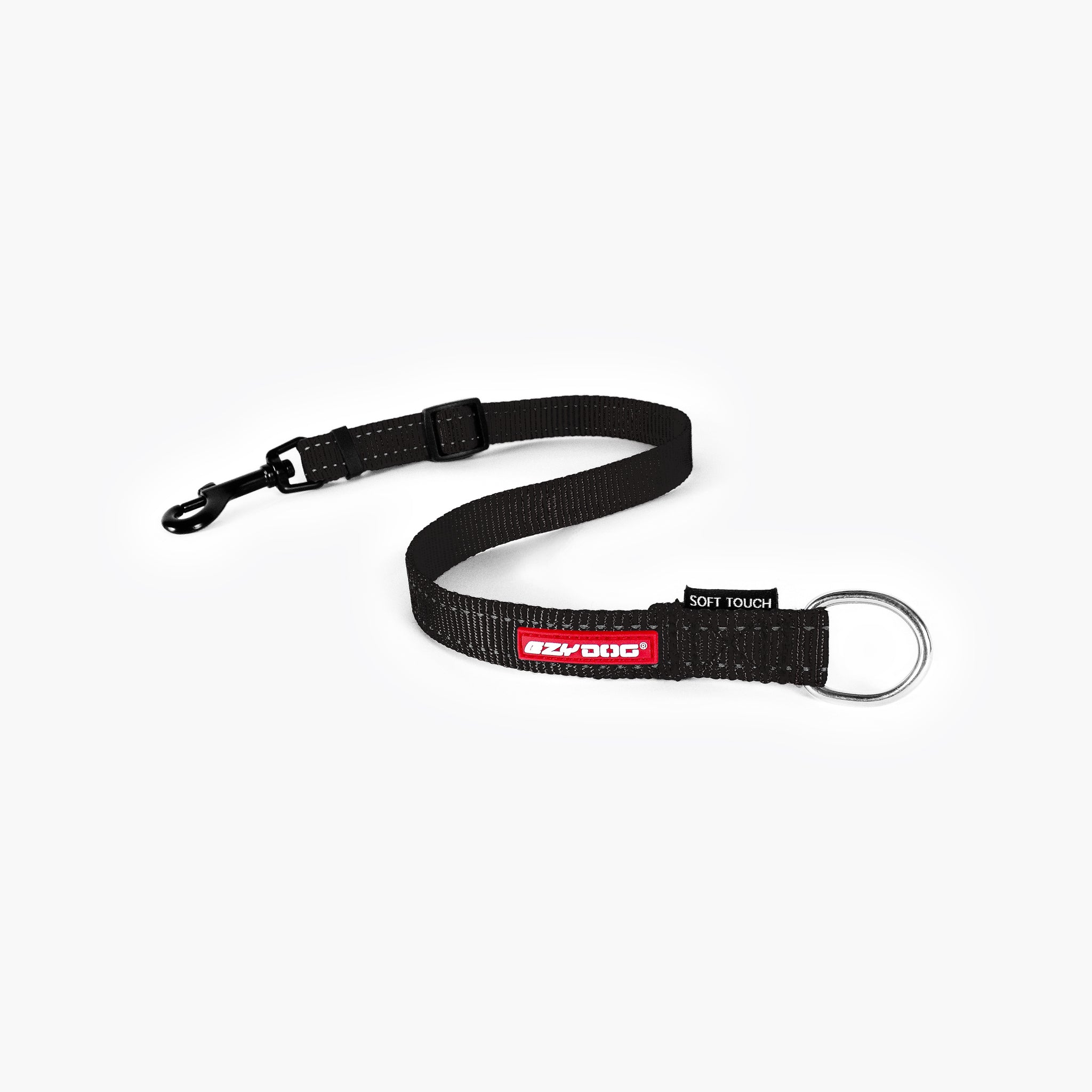
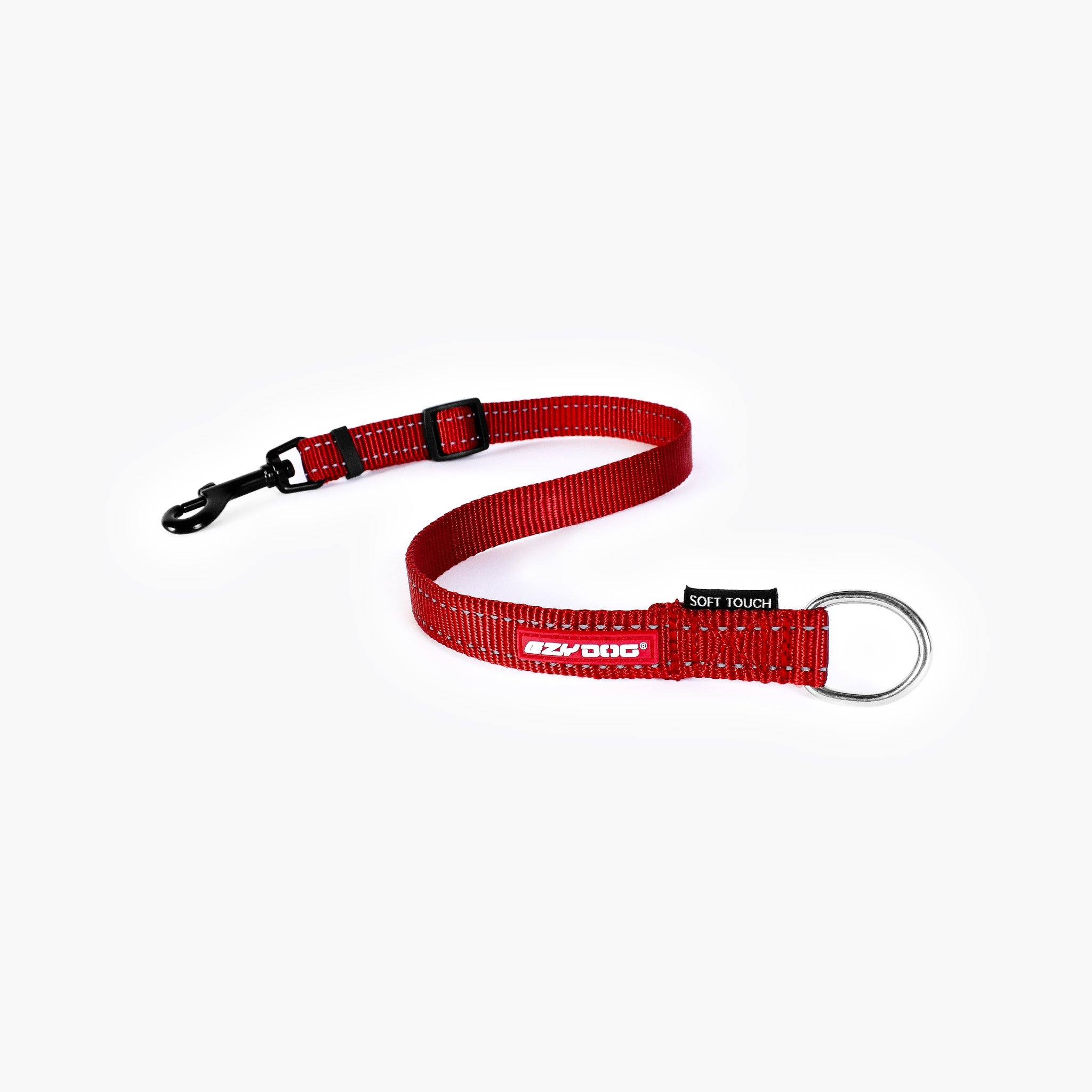
Soft Touch Extension
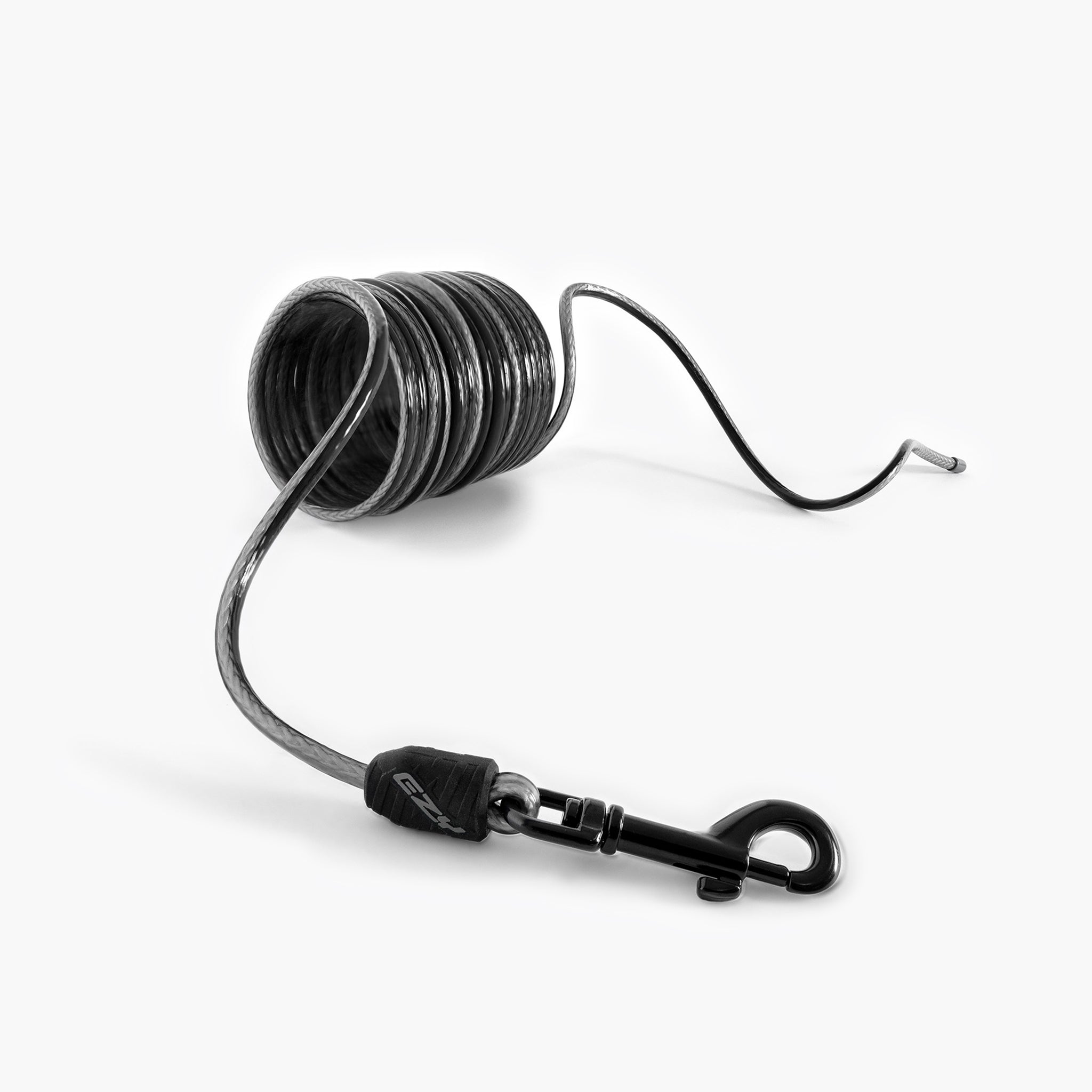
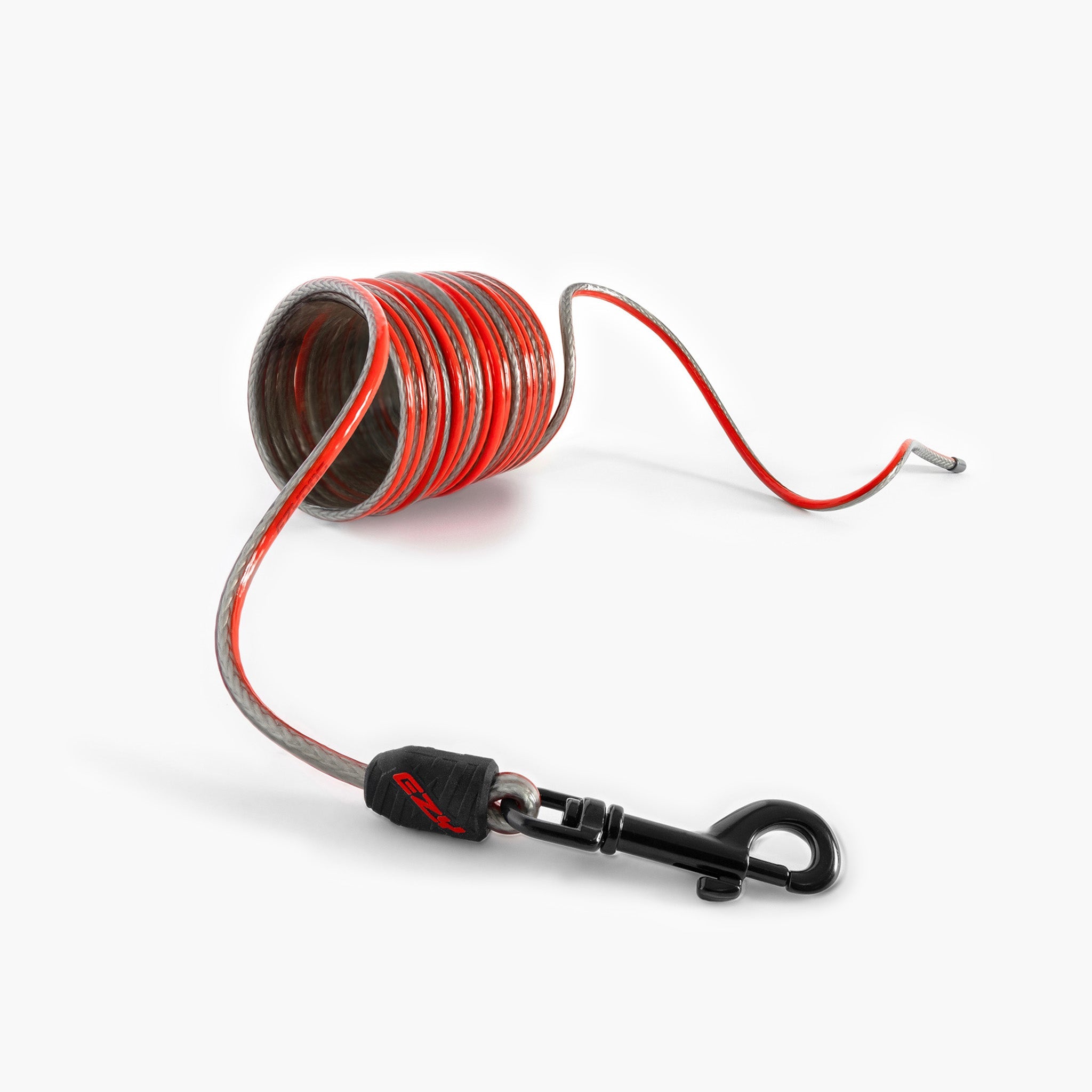
Track n Train Slimline Dog Lead
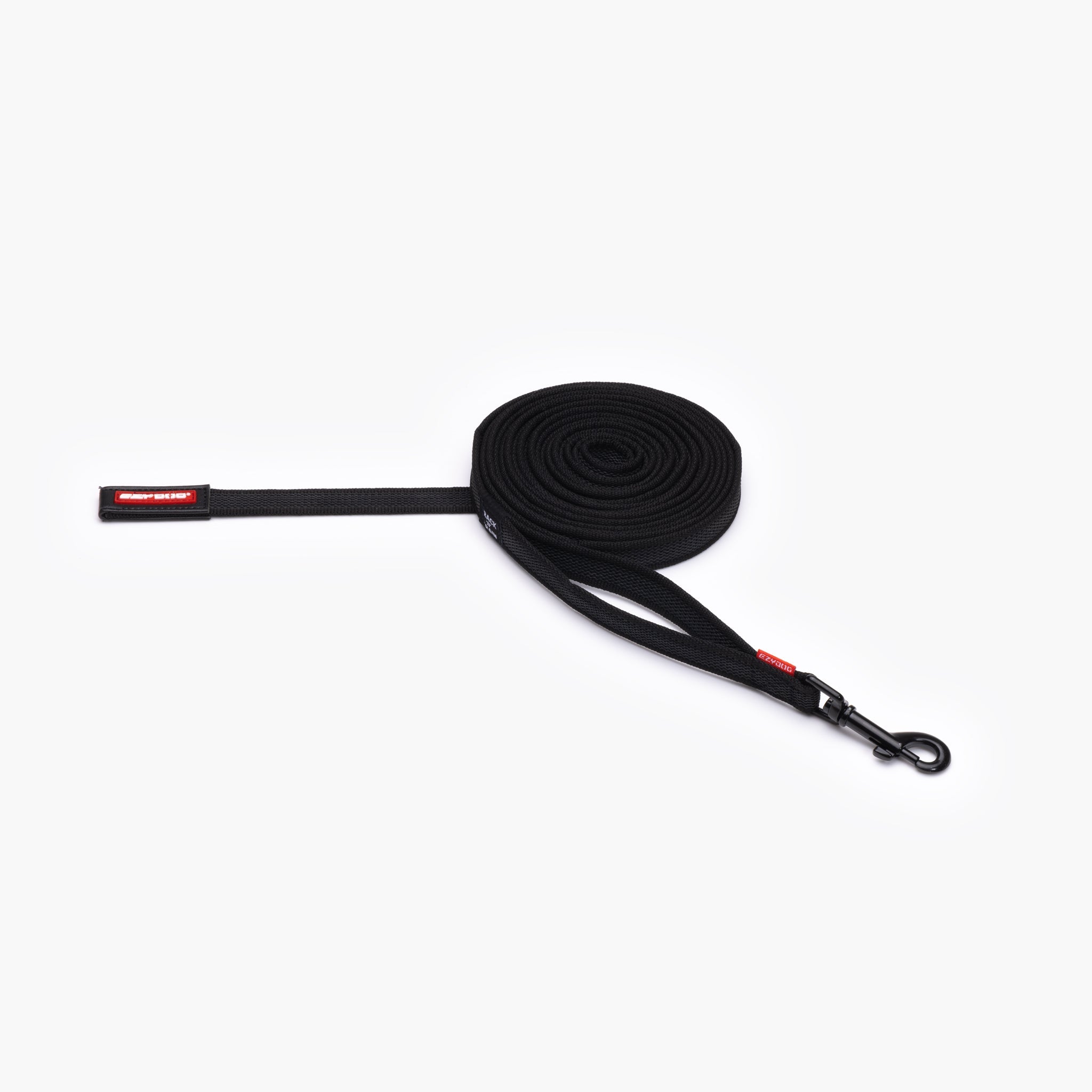
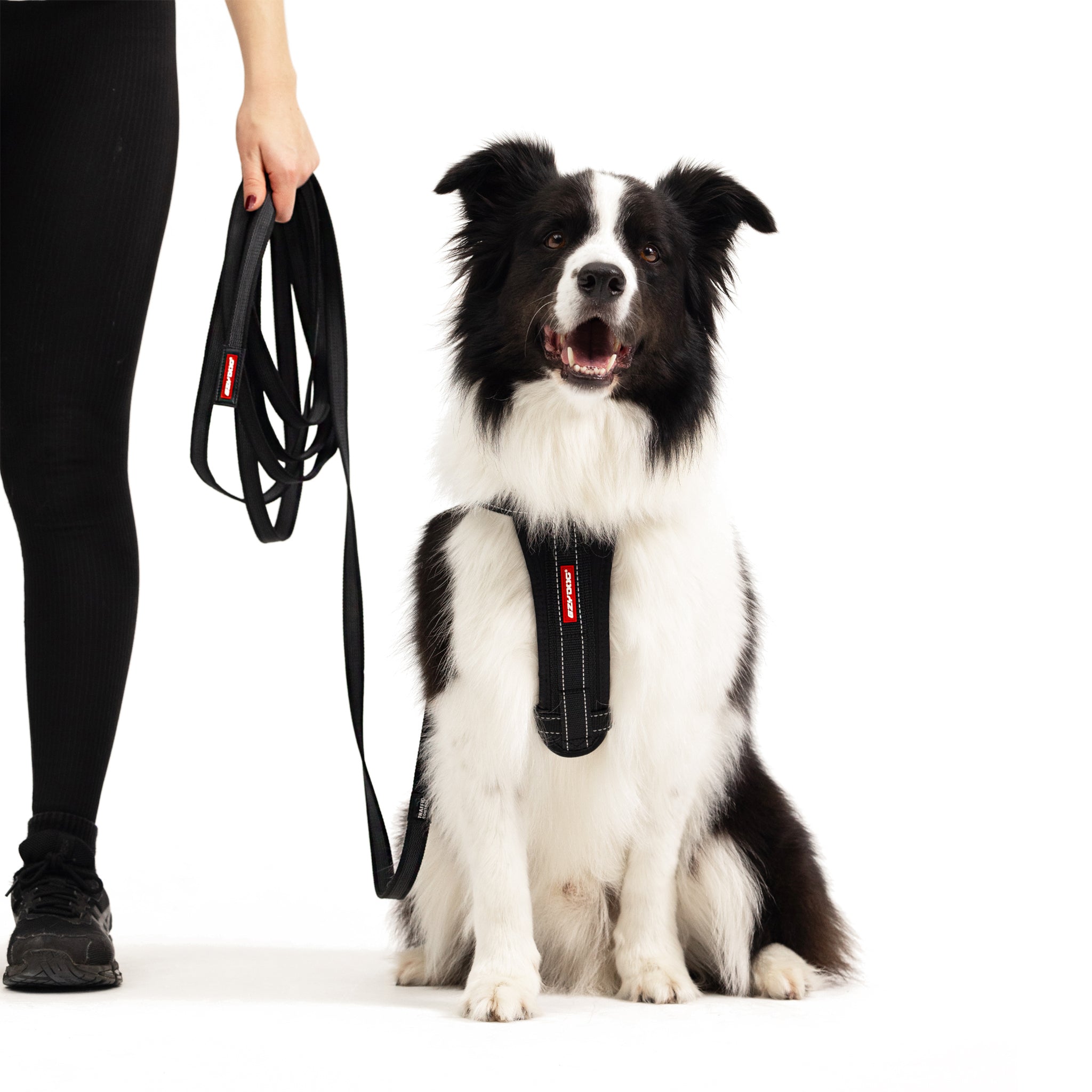
Track N Train Long Dog Lead


Summit Lead

Oxford Leather - Classic Lead
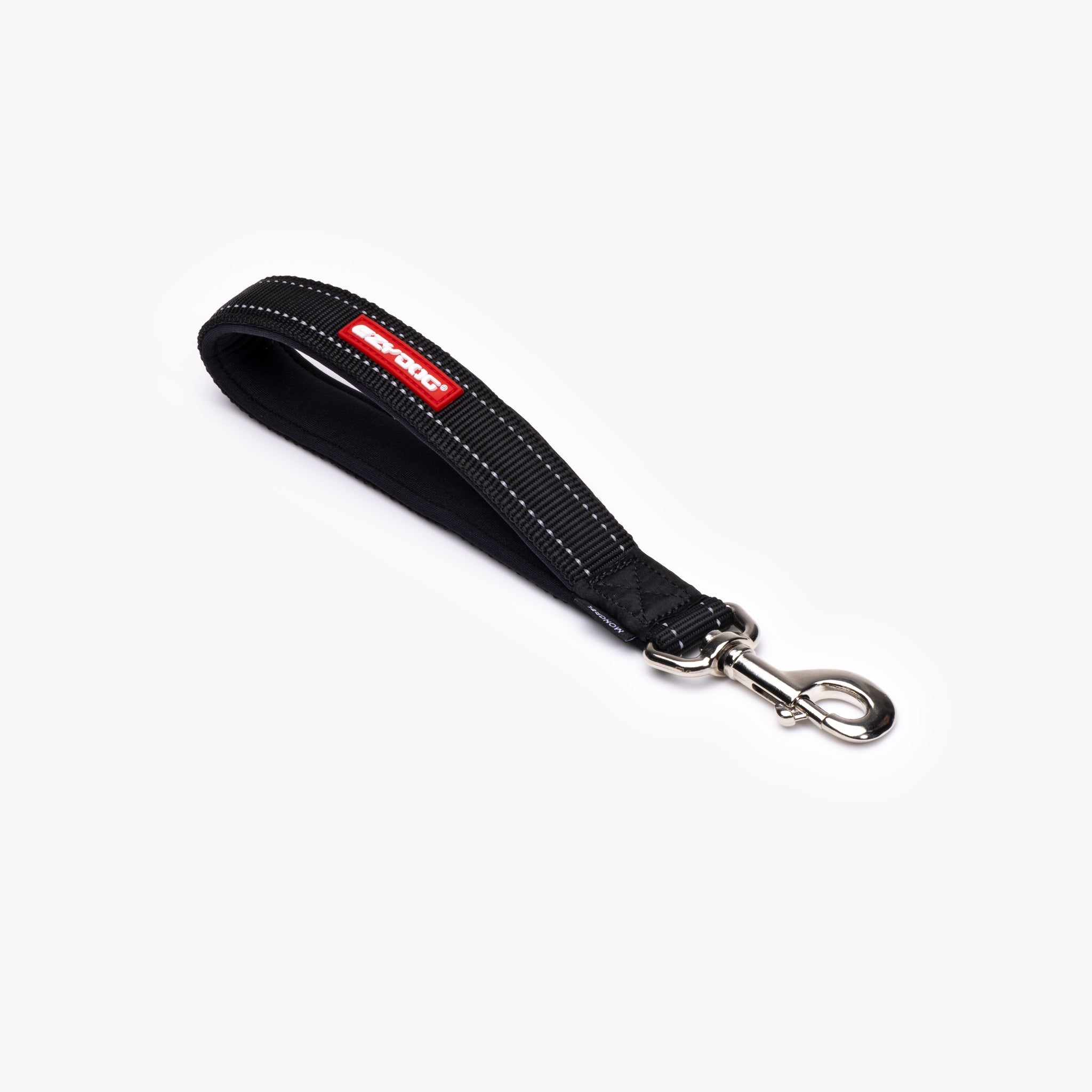
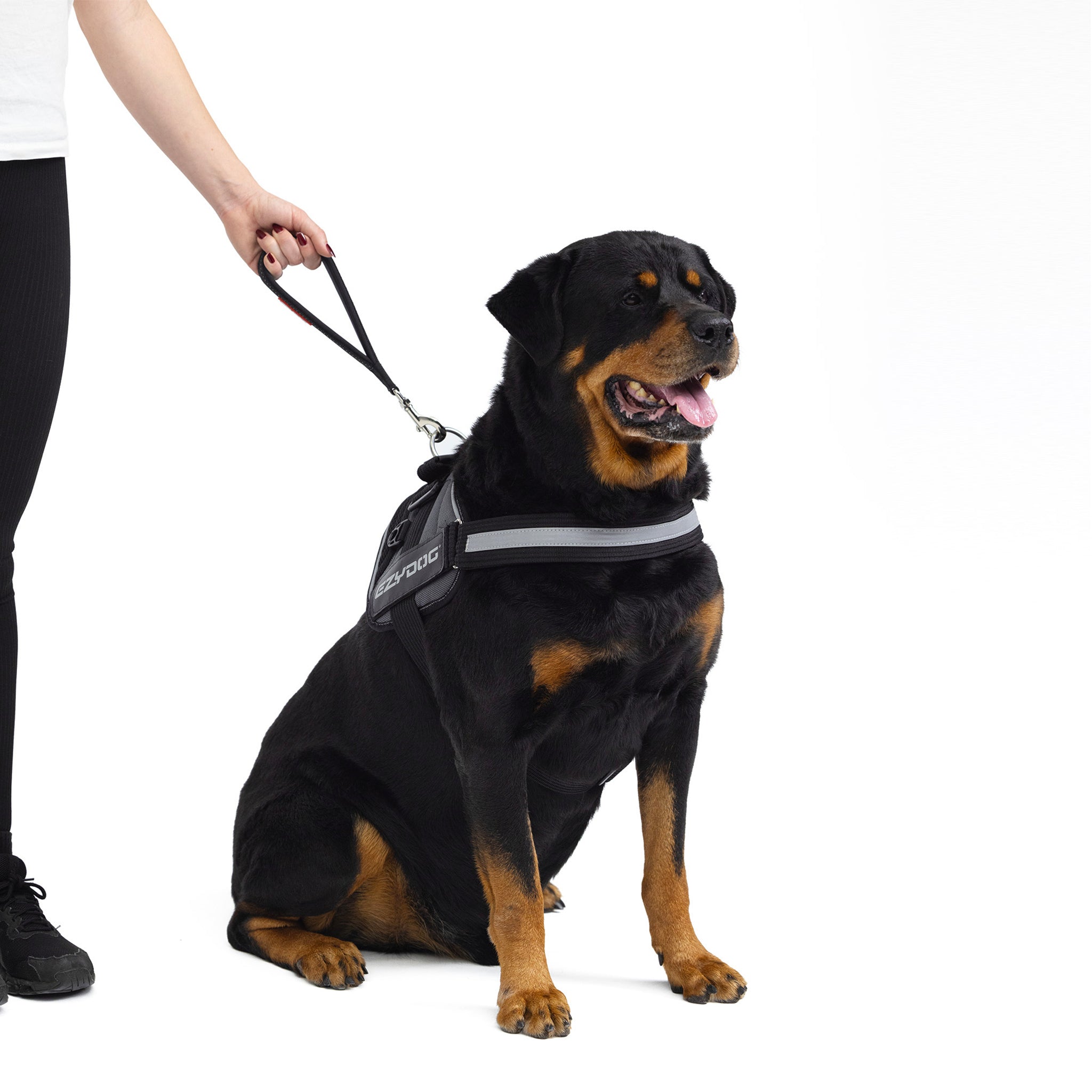
Neo Mongrel Lead
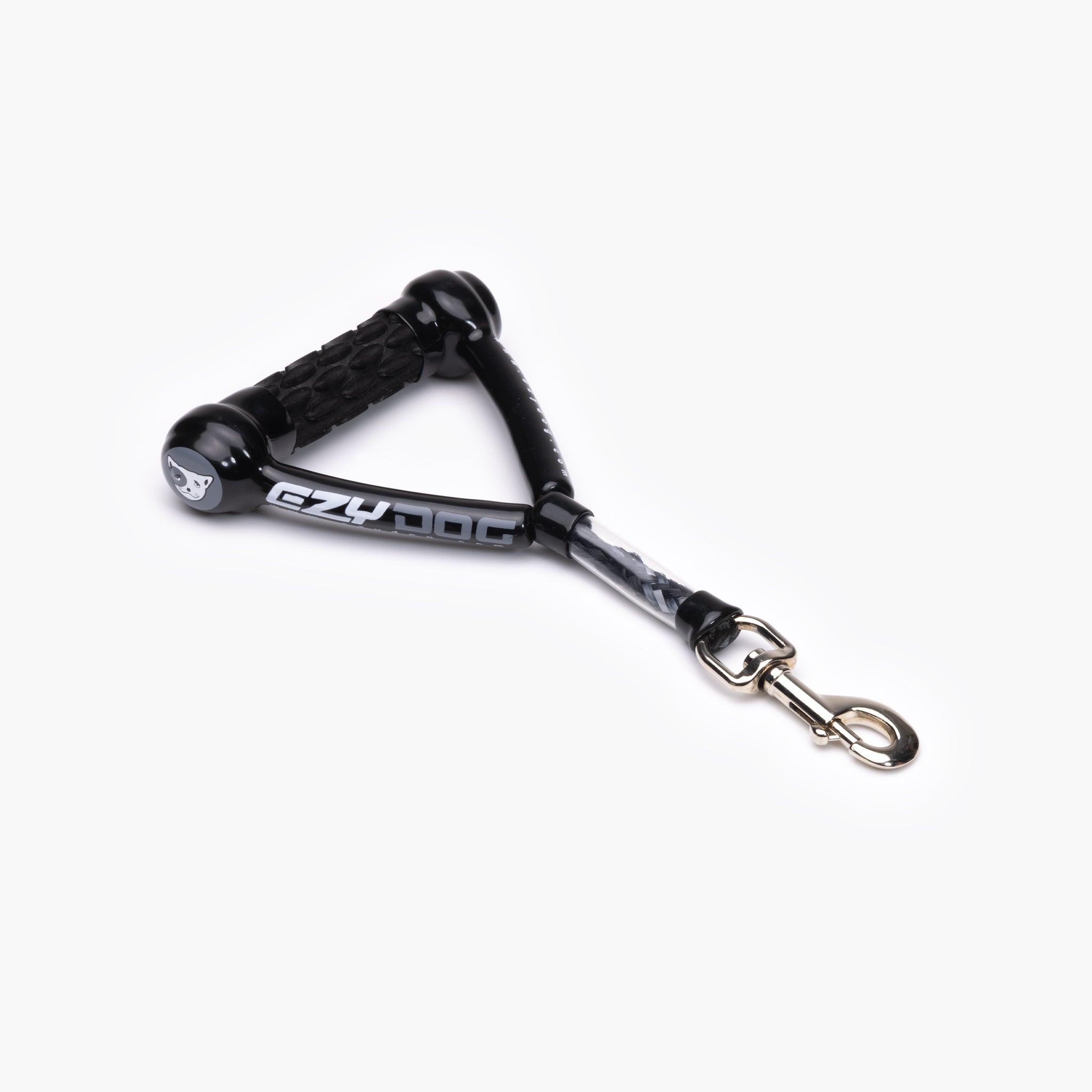
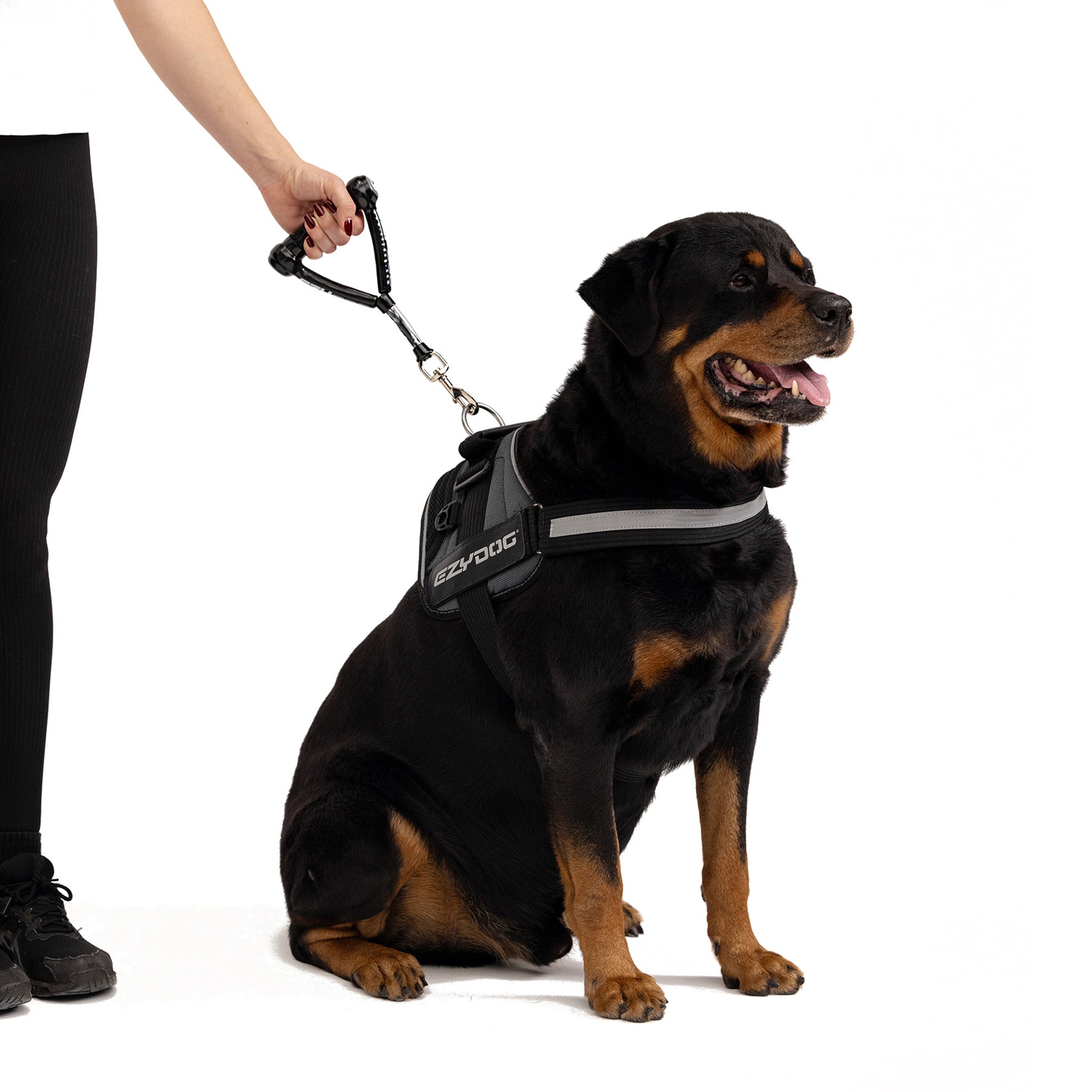
Mongrel Lead


Marine Lead


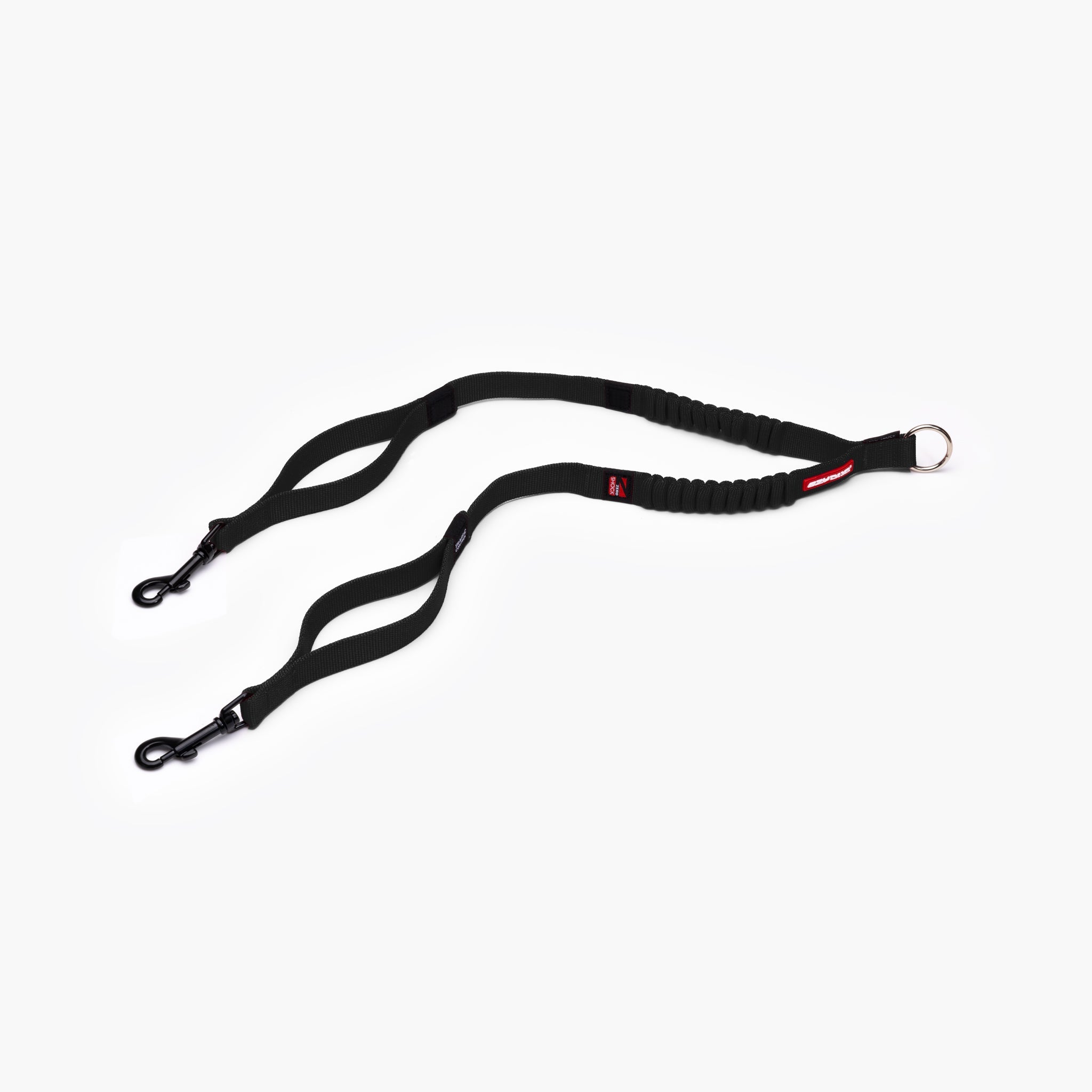
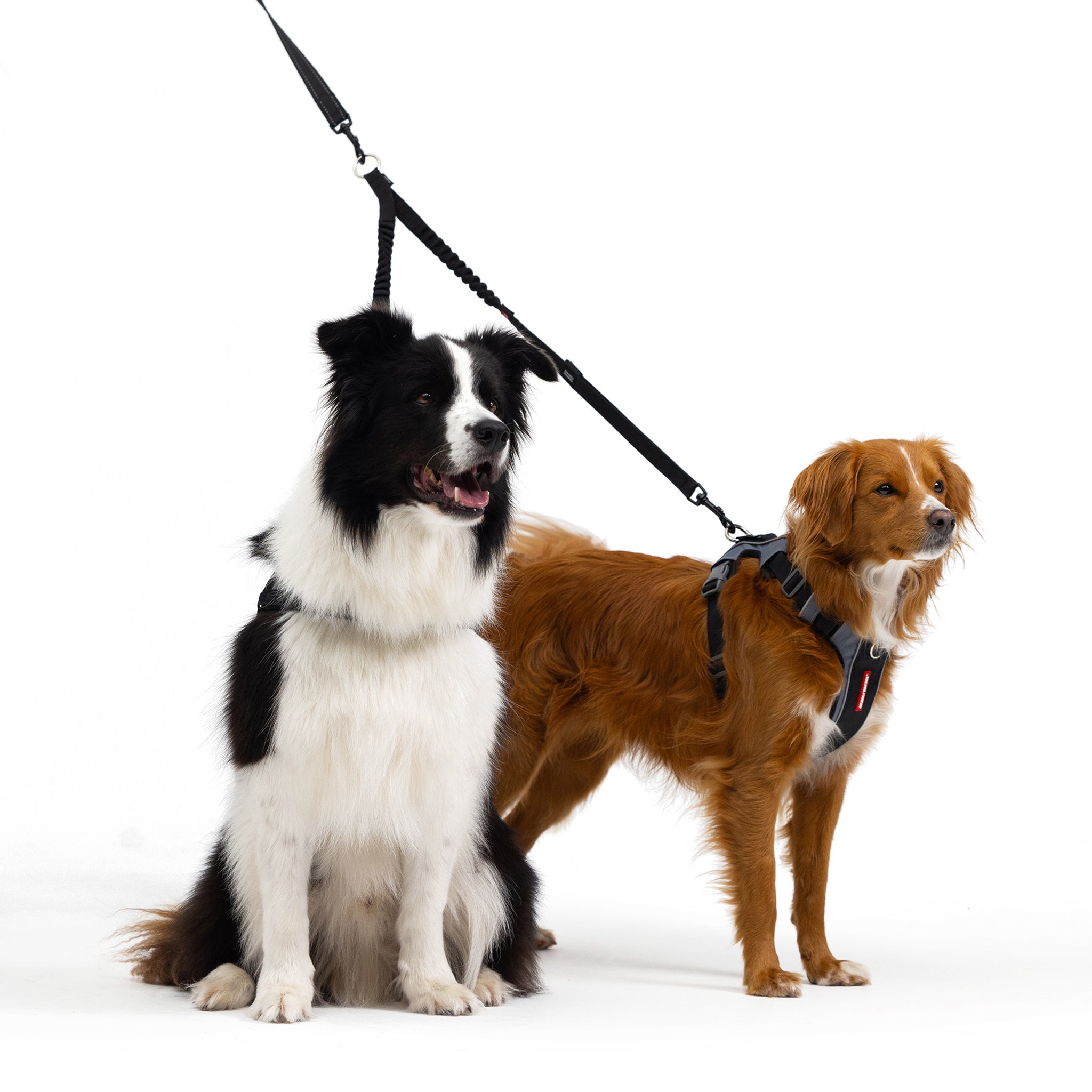
Zero Shock Coupler
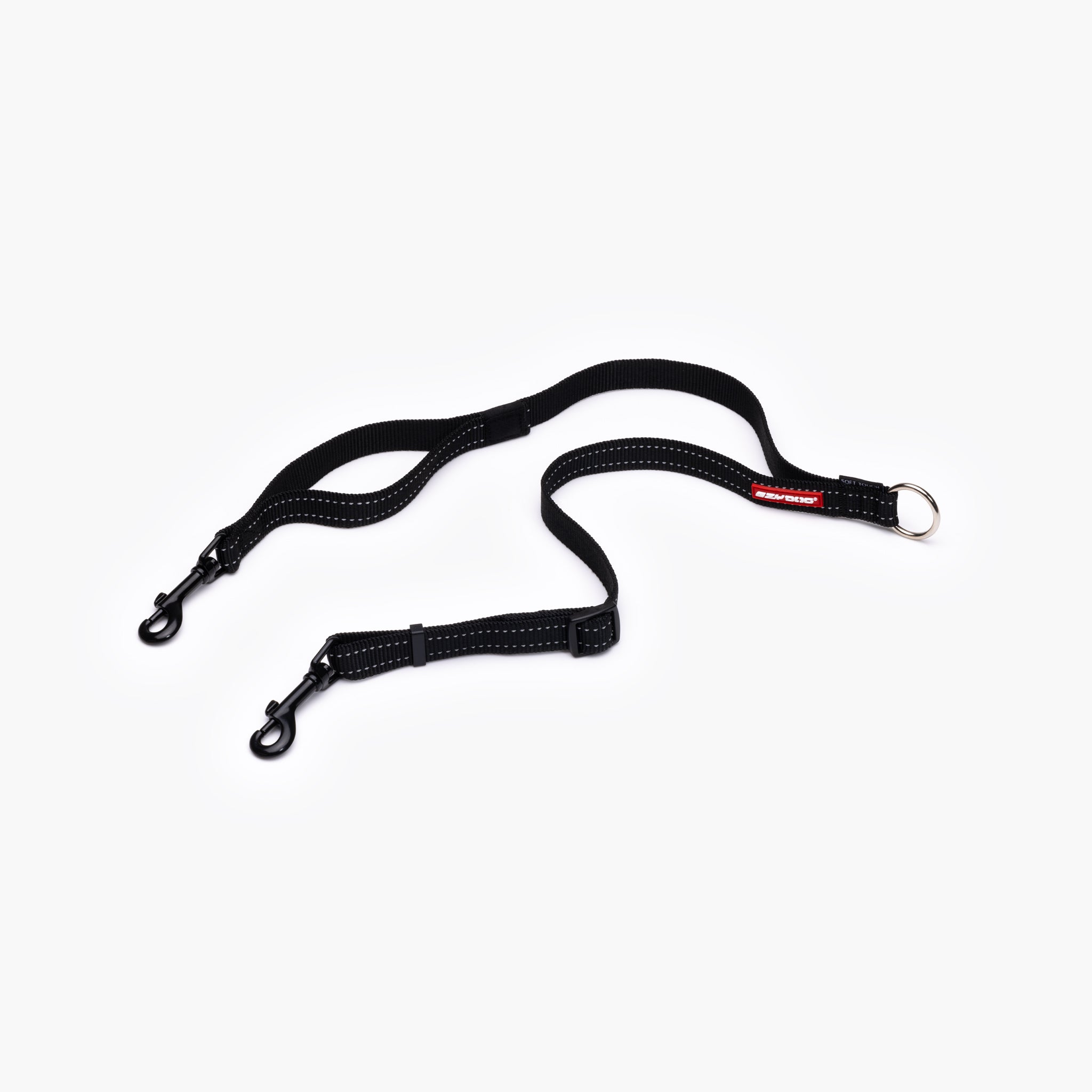
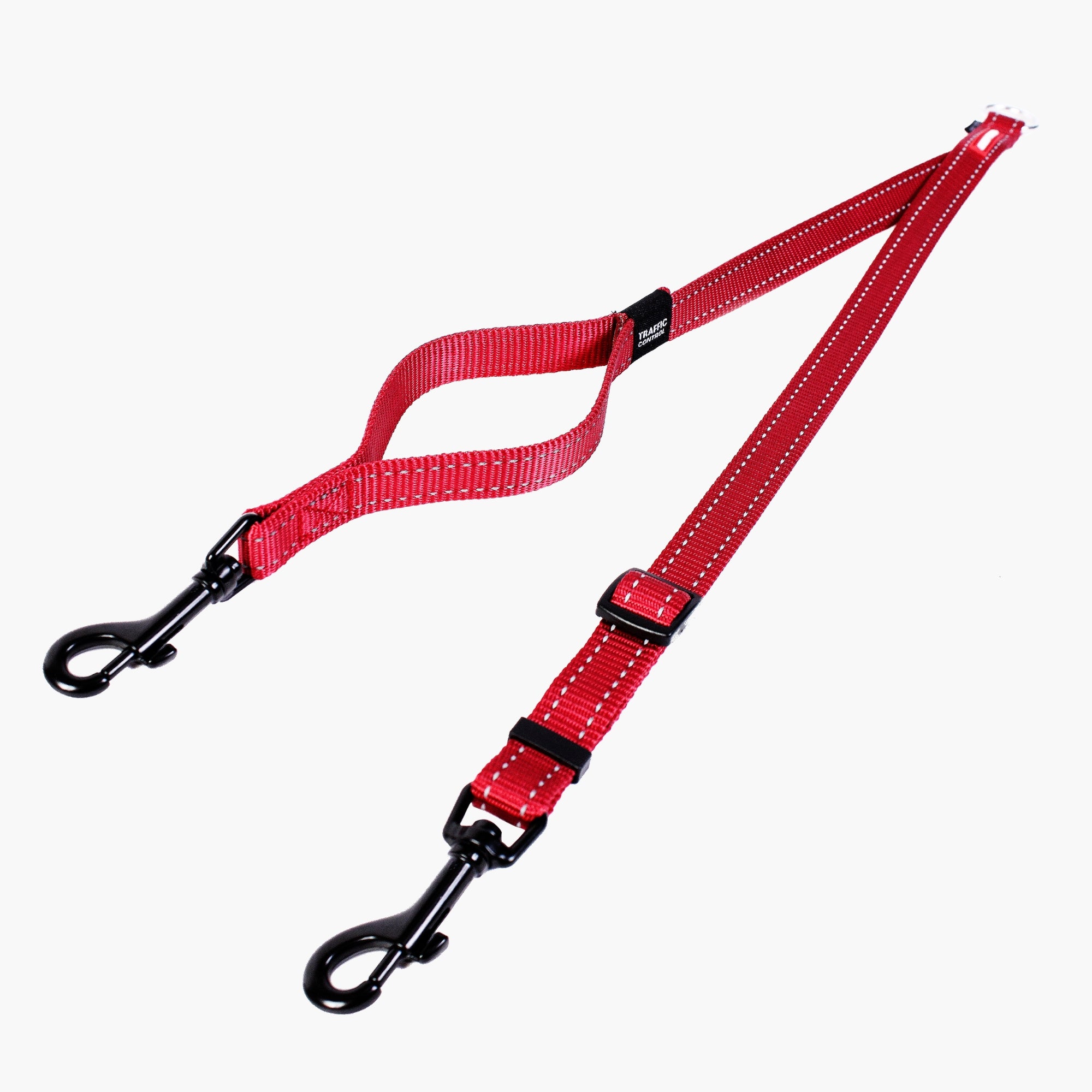
Soft Touch Coupler


Essential Adjustable Leash
Why Choose EzyDog Dog Leads?
Frequently Asked Questions
What kind of dog lead do vets recommend?
Most vets recommend a fixed-length lead that gives you consistent control, particularly for dogs recovering from injury or those with neck sensitivities. A flat webbing lead of 1.2m–1.5m is the most commonly recommended everyday option, ideally paired with a harness rather than a collar, to reduce neck strain.
Our durable dog leads like Zero Shock Lead and Soft Trainer Lead are both popular choices recommended by UK veterinary practices.
What is the best lead to avoid pulling?
The most effective approach to reduce pulling is pairing a no-pull or training lead with a front-attaching harness. The lead alone won't stop pulling — it's the combination that works.
Our no-pull dog leads work in tandem with our no-pull dog harnesses to redirect pulling pressure gently and effectively, without causing discomfort to your dog's neck or throat.
How to choose a good, durable dog lead?
Consider four things: your dog's size and strength, the walking environment, lead length, and the clip type. For strong dogs or wet conditions, look for a rubberised or neoprene-coated webbing lead with a double-locking snap clip. For everyday town walks, a 1.2m–1.5m flat lead is ideal. For countryside or beach walks, a longer 2m lead or a hands-free design gives you more flexibility.
Browse our full dog leads range to compare options by use case.
Are retractable dog leads bad?
Retractable leads offer less control than fixed-length leads and carry a higher risk of injury — both to your dog and to you, particularly in busy areas or around other dogs. That's why we don't stock them at EzyDog.
If you want to give your dog freedom to explore whilst keeping them safe, our Zero Shock Bungee Lead cushions sudden lunges with shock-absorbing technology, and our long training leads (5m–10m) are ideal for recall practice in open spaces.
How to stop a dog from pulling on a lead?
Consistent training is the foundation, but the right equipment makes a significant difference. Use a short lead (around 1m) during initial training so your dog has less room to build momentum. Combine this with a front-attaching no-pull harness, which redirects your dog's body when they pull rather than restricting their neck.
Our dog training leads and no-pull dog harnesses are designed to work together for exactly this purpose. Positive reinforcement rewards calm walking, not pulling — is always the most effective long-term approach.
Is a harness or collar better to stop pulling?
For dogs that pull, a harness is almost always the better choice. A collar concentrates pressure on the neck and throat, which can cause or worsen tracheal issues — especially in smaller breeds or flat-faced dogs.
A front-attaching harness distributes pressure across the chest and shoulders, and redirects your dog's direction when they pull. Pair any harness with a short lead or our no-pull leads for the best results.
Are slip dog leads bad for dogs?
Slip leads aren't inherently bad, but they must be used correctly. The loop can tighten if a dog lunges suddenly, which risks neck or tracheal injury if left unsupervised or used on a dog that pulls heavily. Used properly, slip leads are an efficient, collar-free option for calm dogs or quick outings.
Our dog slip leads collection includes designs with a safety stopper to prevent over-tightening, which we'd always recommend over an unstopped slip lead.
What is the difference between a dog lead and a dog leash?
'Lead' and 'leash' mean exactly the same thing — it's simply a regional difference in terminology. 'Lead' is the standard British English term used throughout the UK, whilst 'leash' is more commonly used in the United States and Australia.
At EzyDog, we always use 'lead', but whether you search for a dog lead or a dog leash, you'll find the same products here.
Are long dog leads and extendable leads the same thing?
No — these are two different products. A long lead (also called a training line or recall lead) is a fixed-length lead, typically 5m–10m, made from flat webbing or rope. It gives your dog freedom to roam during recall training whilst keeping them safely connected to you.
An extendable or retractable lead uses a spring mechanism inside a plastic housing to let your dog roam variable distances. We stock long training leads but not retractable leads — we find the fixed-length design gives owners far better control, particularly for training.
How long should a dog lead be for effective training and walking?
For everyday walking and training, a lead of 1.2m–1.5m (roughly 4–5 feet) gives you the right balance of control and freedom. In busy urban areas or when working on heel training, a shorter 1m lead keeps your dog closer. For recall training in open fields or parks, a long training lead of 5m–10m allows your dog to build confidence at distance whilst staying safely connected.
Browse our range of dog leads in various lengths to find the right fit for your dog and your walks.