Harness vs Collar: Can My Dog Wear a Harness Instead?
Alright, dog lovers, it is time to settle the age-old debate: Harness or collar? If you have ever wondered which is better for your dog’s long-term comfort and safety, you are in the right place. Whether you are a new puppy parent preparing for your first milestone walk or you have a seasoned sidekick, choosing the right gear can make all the difference during those upcoming Spring Bank Holiday adventures.
The short answer is that most dogs can and should wear a harness instead of a collar for daily walks as it is almost always the healthier choice for their anatomy. However, collars still serve a vital purpose for legal identification and quick garden breaks.
If you are considering making the switch to improve your dog's comfort, you can explore our dog harness collection to see the various ergonomic styles available. Before you buy, we also recommend checking your dog’s size using our harness measuring guide to ensure a perfect, chafe-free fit.
Harnesses and Collars: What’s the Difference?
Before you choose, it is important to understand how these two pieces of equipment interact with your dog's body. Through our years of testing on rugged UK trails, we have seen first-hand how the right gear prevents fatigue and injury.
Harnesses:
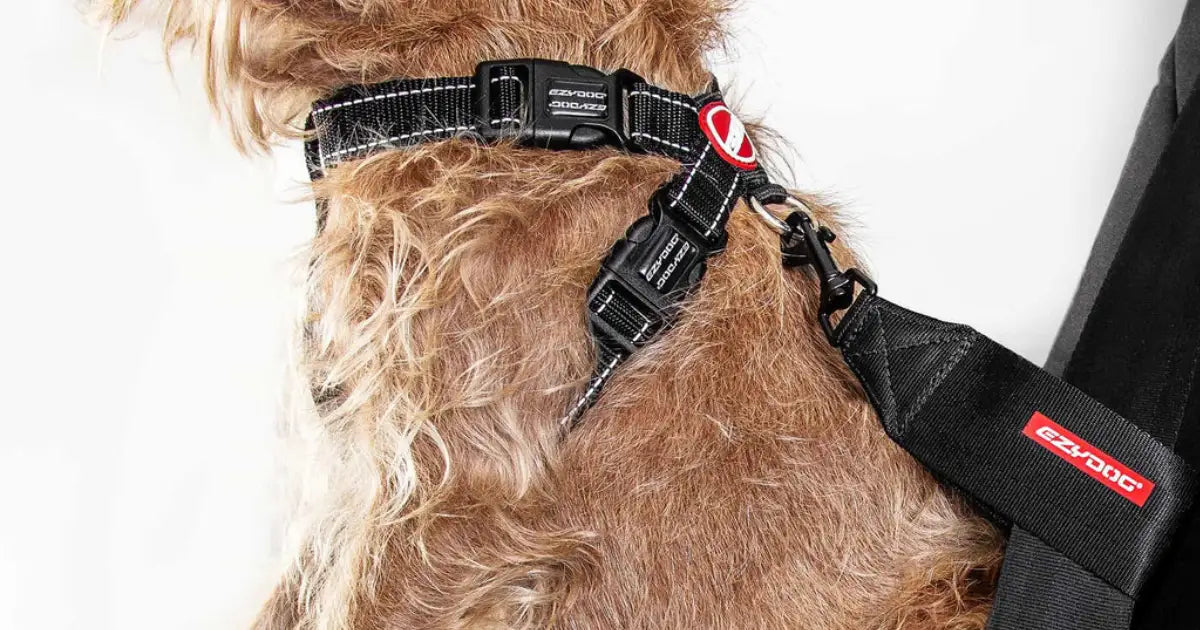
Think of these as a supportive full-body cradle that distributes pressure evenly across the strongest parts of the dog, specifically the chest and shoulders. They remove all strain from the neck, making them essential for dogs that pull or breeds prone to respiratory issues.
Collars:
These are lightweight and convenient for holding ID tags. While they are suitable for perfectly leash-trained dogs, they place all force directly on the windpipe and cervical spine. For pullers or dogs with delicate tracheas, this concentrated pressure can cause serious internal injury over time.
Expert Insight:
UK vets increasingly recommend harnesses for puppies and "brachycephalic" (flat-faced) breeds like Pugs or French Bulldogs. Because these breeds already face breathing challenges, a padded dog collar should only be used for carrying ID tags rather than as a primary walking restraint.
When to Choose a Dog Harness?

Switching from a collar to a harness is highly recommended if your dog fits into any of these categories:
Pulls on the lead:
A specialized no-pull dog harness gently discourages pulling by redirecting the dog's momentum safely without causing pain or coughing.
Is a puppy or small breed:
Their delicate necks need the superior pressure distribution that only a harness can provide during their formative growth months.
Is active or adventurous:
For those planning Spring hikes in the Lake District or the Peaks, a supportive harness like the Convert or Chest Plate offers a "grab handle" for safety on uneven terrain.
Travels by car:
Under Rule 57 of the Highway Code, dogs in the UK must be restrained. A collar should never be used for car safety; instead, a certified dog car harness is required to protect them in an accident.
For more recommendations, see our Best Dog Harnesses guide.
When is a Dog Collar Still Useful?

Do not write collars off just yet because they still have an essential place in your dog’s wardrobe:
Identification:
In the UK, the law requires dogs to wear a collar with ID tags in public, even if they are wearing a harness.
The "Quick Trip":
For a two-minute garden break or a visit to the local vet, a collar is often the most convenient "clip and go" option.
The Wardrobe Approach:
Many owners use both. They keep a comfortable collar on for ID purposes and layer a harness over the top for the actual walk to ensure maximum control.
Harness and Collar: Why Not Both?
In the debate of harness vs collar, you don’t always have to pick just one. Many dog owners find that using both works perfectly. A collar is ideal for holding ID tags and for quick, casual outings, while a harness offers better control and safety for walks, training, or outdoor adventures.
Think of it as your dog’s wardrobe: a collar for everyday wear and identification, and a harness for those longer walks, training sessions, or exciting adventures. This combination keeps your dog safe, comfortable, and stylish in every situation.
For the best harness options to pair with your dog’s collar, explore our full range of Dog Harness collections.
Pros and Cons: Harnesses vs Collars
|
Feature |
Harness |
Collar |
|
Control |
Best for training & pullers |
Suitable for calm, leash-trained dogs |
|
Comfort |
Even pressure across the chest |
Can strain the neck & throat |
|
Safety |
Safer for dogs with respiratory or neck issues |
Fine for dogs without health concerns |
|
Ease of Use |
Takes slightly longer to fit |
Quick and simple to wear |
How to Transition from a Collar to a Harness

Switching is easy with a bit of patience:
-
Introduce gradually: Let your dog sniff and get used to the harness indoors.
-
Use short sessions: Put it on for a few minutes with treats and praise.
-
Positive association: Reward calm behaviour while wearing it.
-
Start with short walks: Extend gradually as your dog becomes comfortable.
-
Check the fit regularly: Use the two-finger rule and adjust straps as needed.
For a full fitting guide, read our article on: How to Put On a Dog Harness.
Expert Opinions – What Trainers and Vets Recommend
For Puppies & Small Dogs:
Lightweight harnesses like step-in or adjustable designs are best to protect delicate necks.
For Dogs That Pull:
Trainers often recommend front-clip or no-pull harnesses to redirect pulling without causing discomfort.
For Brachycephalic Breeds:
Vets strongly suggest harnesses to reduce respiratory strain.
Many trainers agree that combining consistent training with the right harness makes walks calmer and safer.
Recommended Harnesses for Switching from Collars
If you are transitioning your dog from a collar to a harness this Spring, these are the top choices vetted by our team for ease of use and safety:
The Quick Fit Harness: This solves the "faff" objection. It is a simple step-in design that is as fast to put on as a collar, making it perfect for beginners.
The X-Link Harness: This features the "Y-shape" design that vets recommend for total shoulder mobility and features a front-clip for no-pull training.
The Drive Car Harness: The essential choice for motorway travel. You can read our full guide on the best crash tested dog harness uk for more safety details.
Frequently Asked Questions
Will a harness encourage my dog to pull more? (The "Sled Dog" Myth)
This is the biggest objection owners have. The myth suggests that because a harness is comfortable, a dog will "lean into it" and pull harder. In reality, a dog pulls because they want to move forward, and a collar often makes them pull faster to escape the discomfort on their neck. By using a front-clip harness, you actually gain more mechanical leverage to stop the pulling than a collar provides, all while keeping the dog's windpipe 100% safe.
Is it harder to control a large dog in a harness?
Actually, it is easier. When a large dog is in a collar, you are only controlling their neck. When they are in a supportive harness, you are controlling their entire center of gravity (their chest and shoulders). This gives you much more physical stability, which is vital when navigating busy Spring trails or passing other dogs.
Is it illegal to walk a dog without a collar in the UK?
Yes. While you can use a harness for the lead attachment, the dog must still be wearing a collar with an ID tag that includes your name and address (including postcode). This is a legal requirement under the Control of Dogs Order 1992, even if the dog is microchipped.
Can a dog wear a harness all the time?
We do not recommend leaving a harness on 24/7. Continuous wear can lead to fur matting or skin irritation, especially when the dog is sleeping. It is best to remove the harness once you are home to allow the skin to breathe, leaving just a lightweight collar for ID purposes.
What harnesses do dog trainers recommend for Spring?
Most UK trainers recommend "Y-shaped" harnesses because they do not restrict the natural movement of the front legs. They also favour lightweight, breathable materials that won't cause the dog to overheat as the UK weather warms up in March and April.
Should dogs wear collars in the house?
For comfort and safety, remove collars indoors, especially for long-haired dogs. Outdoors, collars are essential for ID tags.
What harnesses do dog trainers recommend?
Trainers often recommend no-pull harnesses for strong dogs, step-in harnesses for small or nervous dogs, and supportive options like the Essential Chest Plate Harness or Crosscheck Harness.
Final Thoughts
For the vast majority of UK dogs, a harness is the safer, more ergonomic, and more comfortable choice for daily adventures. While collars remain essential for legal identification, the support and control offered by a harness ensures your dog stays healthy and happy on the trail.
Ready to find the perfect fit? Explore EzyDog’s range of dog harnesses and dog collars, and start enjoying those walks without the worry.


Read more