

Can All Dogs Swim? The Essential Guide to Dog Water Safety
For many dogs, water is irresistible. Whether it’s the sea, a river, or a quiet lake, the urge to run in, splash, and swim is often immediate. But as a responsible owner, it is vital to ask the question: can all dogs swim naturally?
While these moments are often fun, they also come with risks that are easy to overlook. Each year in the UK, dogs get into difficulty in water, sometimes with serious consequences.
Understanding these risks is a critical part of looking after our pups, which is why many owners now consider high-quality dog life jackets an essential part of their outdoor kit, regardless of their dog's perceived swimming ability.

Do All Dogs Swim Naturally? (The Common Misconception)
Why some dogs struggle:
- Brachycephalic breeds (such as Pugs or French Bulldogs) often struggle to keep their snouts above water due to their heavy heads and short airways.
- Deep-chested, top-heavy breeds (like Boxers or Staffies) can tilt forward, making it hard to stay upright.
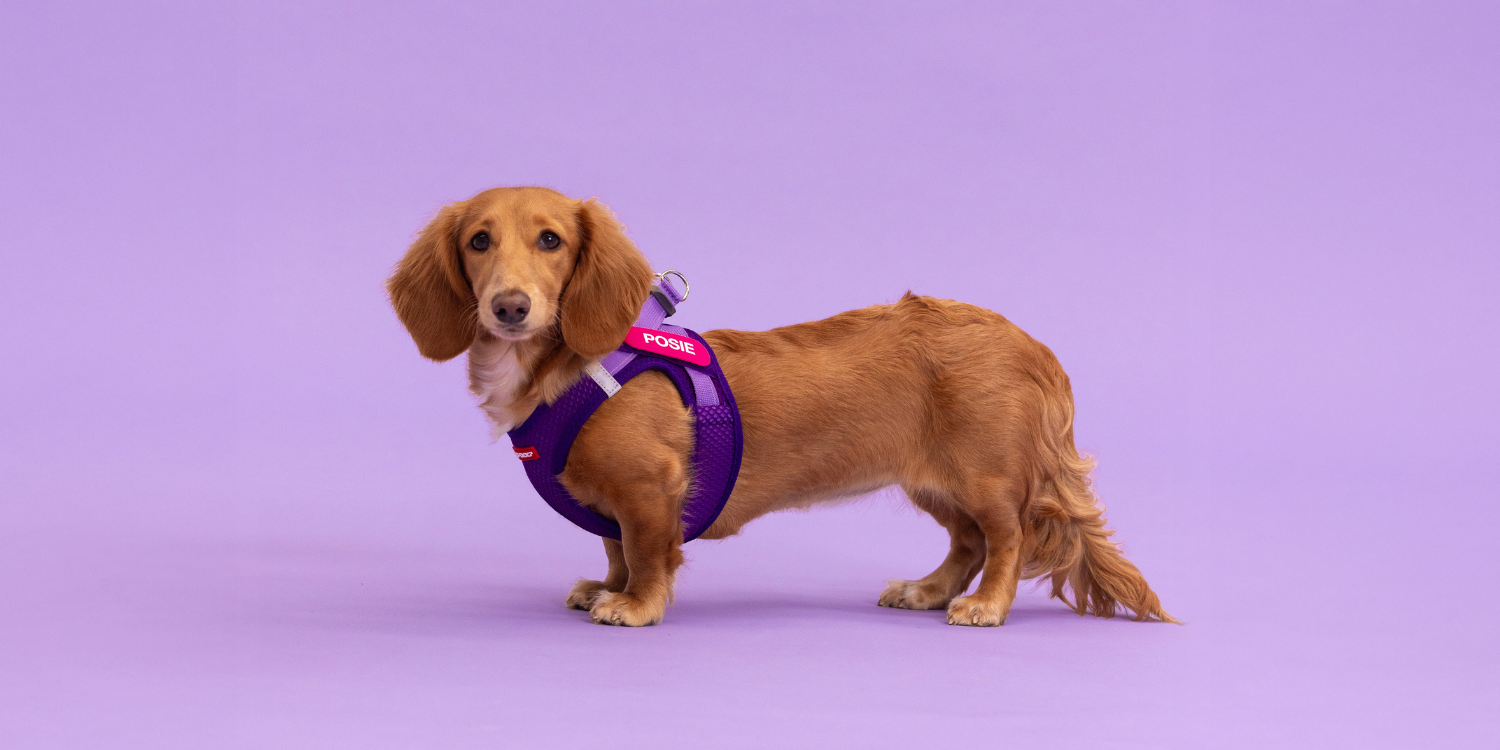
- Short-legged breeds (like Corgis or Dachshunds) may lack the propulsion needed to fight even a light current.
Why Water Safety matters
Recent figures highlight the scale of the issue: hundreds of pets drown in the UK each year, with 388 recorded in one year alone according to one UK source*.
Meanwhile, the Royal National Lifeboat Institution reports that it rescued 164 dogs from the water in 2022, underlining how frequently situations escalate.
These incidents are rarely dramatic or extreme. In many cases, dogs enter the water willingly but are unable to get out, become exhausted, or misjudge conditions.
Where problems tend to arise
Water hazards are often hidden in everyday environments:
- Rivers and lakes may have strong currents, sudden drop-offs or unseen debris
- Canals and ponds often have steep, slippery sides with few exit points
- Coastal areas can change quickly with tides and waves
- Cold water can rapidly drain energy and affect mobility
One of the most common scenarios is a dog entering the water easily, but struggling to find a way out.
Simple steps to reduce risk
Keeping dogs safe around water does not require specialist knowledge, but it does involve being more aware of surroundings and planning ahead.
Key steps include:
- Check the environment before allowing your dog to enter the water. Look for safe entry and exit points, and avoid areas with steep or inaccessible edges.
- Be mindful of conditions. Currents, tides and temperature can all affect your dog’s ability to swim safely.
- Keep your dog within a manageable distance. Particularly in open or unfamiliar water. Use a long dog lead if you are near unfamiliar or fast-moving water.
- Avoid encouraging risky behaviour. Throwing toys into deep or fast-moving water can lead dogs into difficulty.
- Watch for signs of fatigue. Slowing down, hesitation or struggling to stay afloat are clear signals to intervene.
When Extra Support is Needed: Dog Swim Vests
In some situations, additional precautions can make a meaningful difference.
Dogs that are less confident swimmers, older dogs, or those spending time in open water environments may benefit from added buoyancy support. Purpose-designed dog flotation aids can help with visibility and reduce the effort required to stay afloat. These ‘life jackets for dogs’, can act as life-saving devices, in the same way human life jackets do.
There is also a growing awareness within the pet industry; including from brands such as EzyDog - that water safety equipment should be viewed in the same way as other forms of protective gear: not essential for every situation, but valuable where risk is higher.
It’s worth noting that similar flotation aids are often used by professionals too- including in canine hydrotherapy centres and dog swimming pools, where supporting a dog’s movement and reducing strain in the water is a key part of safe practice.

Avoiding the instinct to jump in
If a dog does get into difficulty, the instinct to enter the water after them is entirely understandable.
However, safety guidance from the RNLI consistently warns that this can put owners at serious risk as well. Where possible, it is safer to:
- Call for assistance (such as the coastguard)
- Try to guide the dog to an exit point from land
- Use a long lead or object to help without entering the water
Staying calm and thinking clearly can prevent a situation from becoming more dangerous.
What Dog Life Jacket is Best?
At EzyDog, we’ve spent over 30 years designing high-quality dog gear that supports adventure, safety, and comfort. Whether you're heading to the beach, paddleboarding, or simply enjoying a lakeside walk, keeping your dog safe in and around water is essential.
That’s why our DFD (Dog Flotation Device) range has been meticulously engineered to provide buoyancy, visibility, and control, so your dog can enjoy the water with confidence.
The DFD Standard:
Perfect for everyday adventures and water sports, the DFD Standard is our most versatile life jacket. Designed with multiple adjustment points, including a dedicated neck adjustment for larger breeds, it ensures a secure and comfortable fit. The sturdy grab handle allows for quick and easy lifting when needed, while the extra-strong D-ring makes lead attachment simple.
Available in XS to XL and priced between £39.00 - £60.50
DFD Micro:
Big safety in a small package. The DFD Micro is specially designed for small dogs and puppies weighing under 7kg. It offers the same trusted buoyancy and support as our larger models, tailored for smaller frames.
Available in one adjustable size, priced at £32.
DFD X2 Boost:
An updated version of the original DFD Standard featuring reflective piping for low-light visibility and a dedicated light attachment point, it’s ideal for early morning or evening adventures. The fixed collar adjustment system offers a streamlined fit while maintaining comfort and control.
Available in sizes 4XS to XL and priced between £41.00 - £76.50.
FAQs: Dog Water Safety
Q1: My dog is a strong swimmer. Do they really need a life jacket?
This is the biggest misconception. Even "natural" swimmers can suffer from cramp, cold water shock, or exhaustion. A life jacket isn't just for dogs that can't swim; it’s a safety device for when things go unexpected. If your dog gets caught in a rip tide, the handle on an EzyDog DFD allows you to pull them to safety immediately.
Q2: Are there any benefits to swimming for older dogs?
Yes! Swimming is a fantastic low-impact exercise for older dogs with joint issues. However, older dogs lack the stamina they once had. A flotation aid allows them to enjoy the benefits of swimming without the risk of their rear end sinking due to fatigue.
Q3: Can dogs swim in pools with chlorine?
While chlorine is generally safe in small doses, the biggest risk in a pool is the exit point. Most dogs cannot use a vertical ladder. If your dog is a "pool dog," they should wear a vest so you can easily assist them out of the water using the grab handle once they begin to tire.
Q4: Will it be uncomfortable for my dog to wear?
Not at all. Our dog life jackets are ergonomically designed to allow a full range of motion. The flexible foam and adjustable straps ensure your dog can run, jump, and swim naturally without any chafing or restriction.
Q5: Can I just use a normal walking harness instead?
We don’t recommend it. Standard harnesses become heavy when wet and offer no buoyancy. A dedicated Dog Flotation Device is specifically built to keep your dog level in the water and features a reinforced handle for safe lifting.
Q6: Do I need one if my dog only stays in shallow water?
Yes. Hidden drop-offs or strong currents can pull a dog into deep water in seconds. A vest provides a vital safety net and gives you a handle to grab them instantly if they get into difficulty.
Q7: Can a life jacket help a dog that is scared of water?
Yes. Many dogs are nervous because they feel unstable in the water. A life jacket provides immediate "lift," helping them feel secure and balanced so they can build confidence while learning to swim.
Making water part of safe, everyday life
But like any environment, it comes with responsibilities.
By taking a few simple precautions and being aware of potential hazards, owners can help ensure that time spent around water remains safe as well as enjoyable.
Because ultimately, the goal is simple: to make sure every dog that runs into the water is able to come safely back out again.
Ready to protect your dog on their next adventure? Shop our full range of Dog Life Jackets here.
Featured Products


Read more
![Dog Beach Safety Tips UK: How to Keep Your Dog Safe at the Beach [UK Guide 2026]](http://ezydog.co.uk/cdn/shop/articles/Blog_headers-9_189b375b-ca36-4aad-bb99-16e35157d41d.png?v=1779102807&width=1200)